Reading George Saunders, Ask the Optimist
For my digital futures course we do a “future-thinking” exercise every week. This week I wrote this odd piece “Seven Generations of a Future-Listening Device”
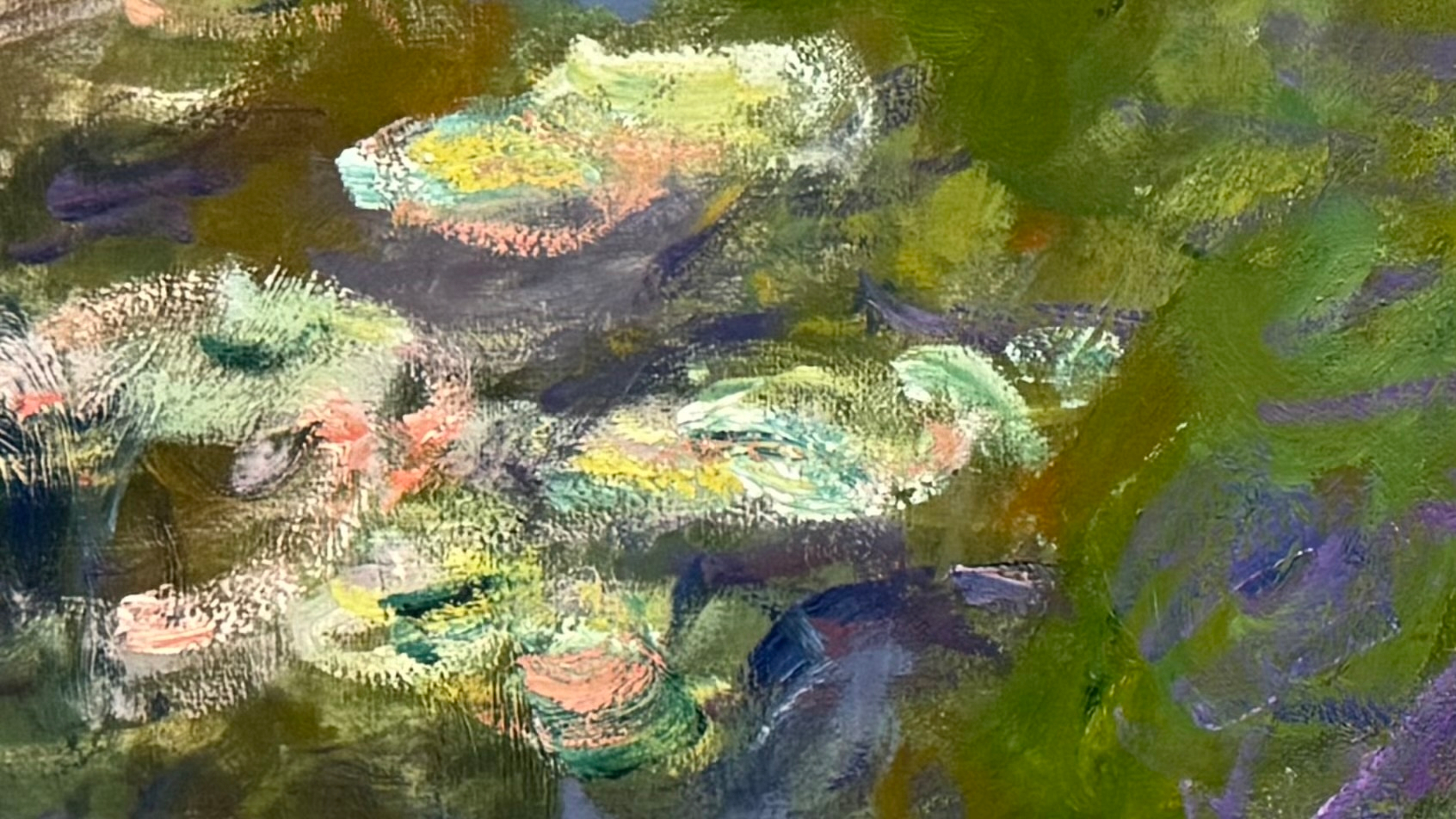
Some details I took from a few of Monet’s waterlilies in Pittsburgh two years ago. Since these were painted critics have been casually derisive of Monet’s blindness, but a somewhat recent piece by Robert Volpicelli provides a different take.
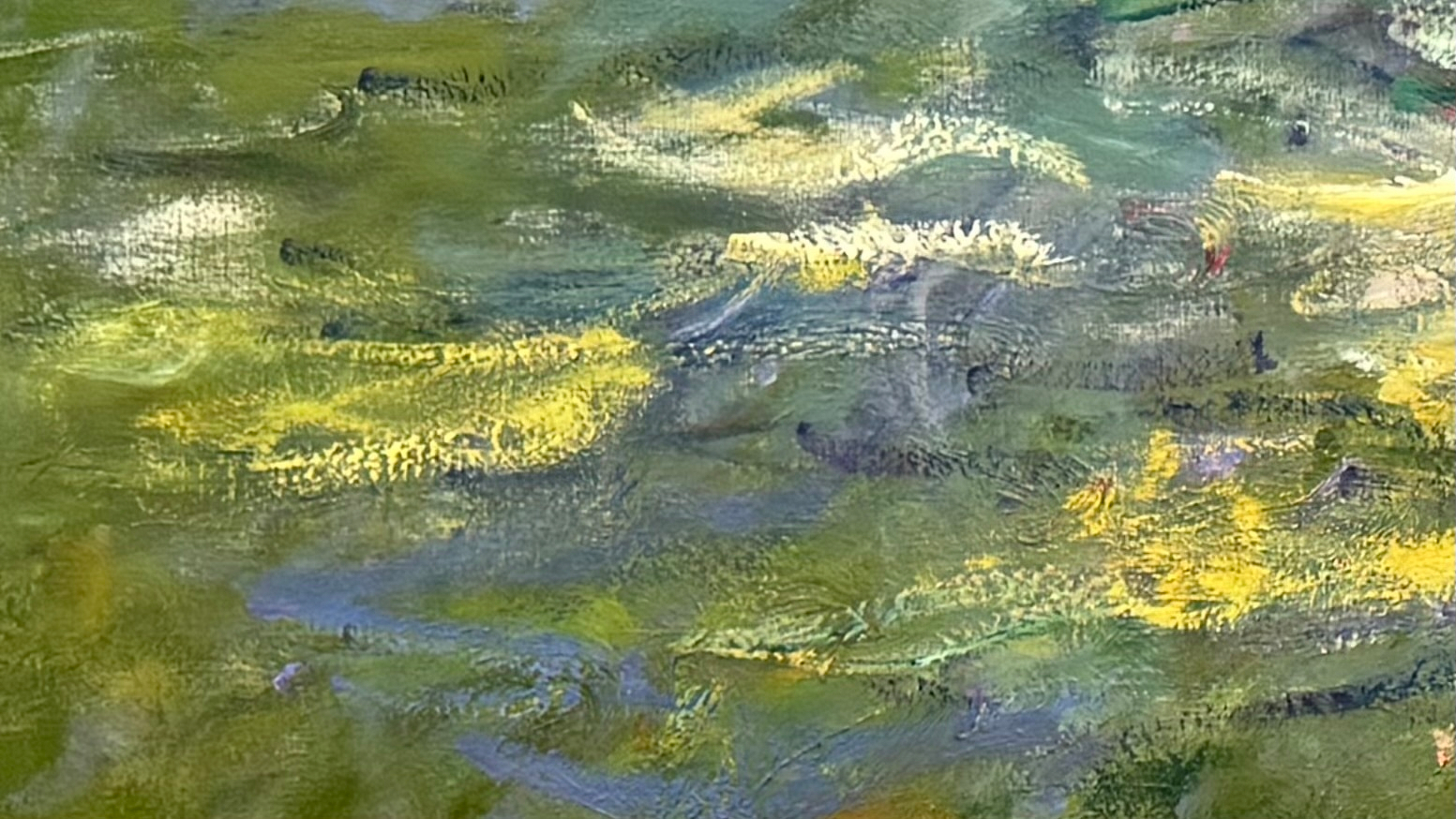
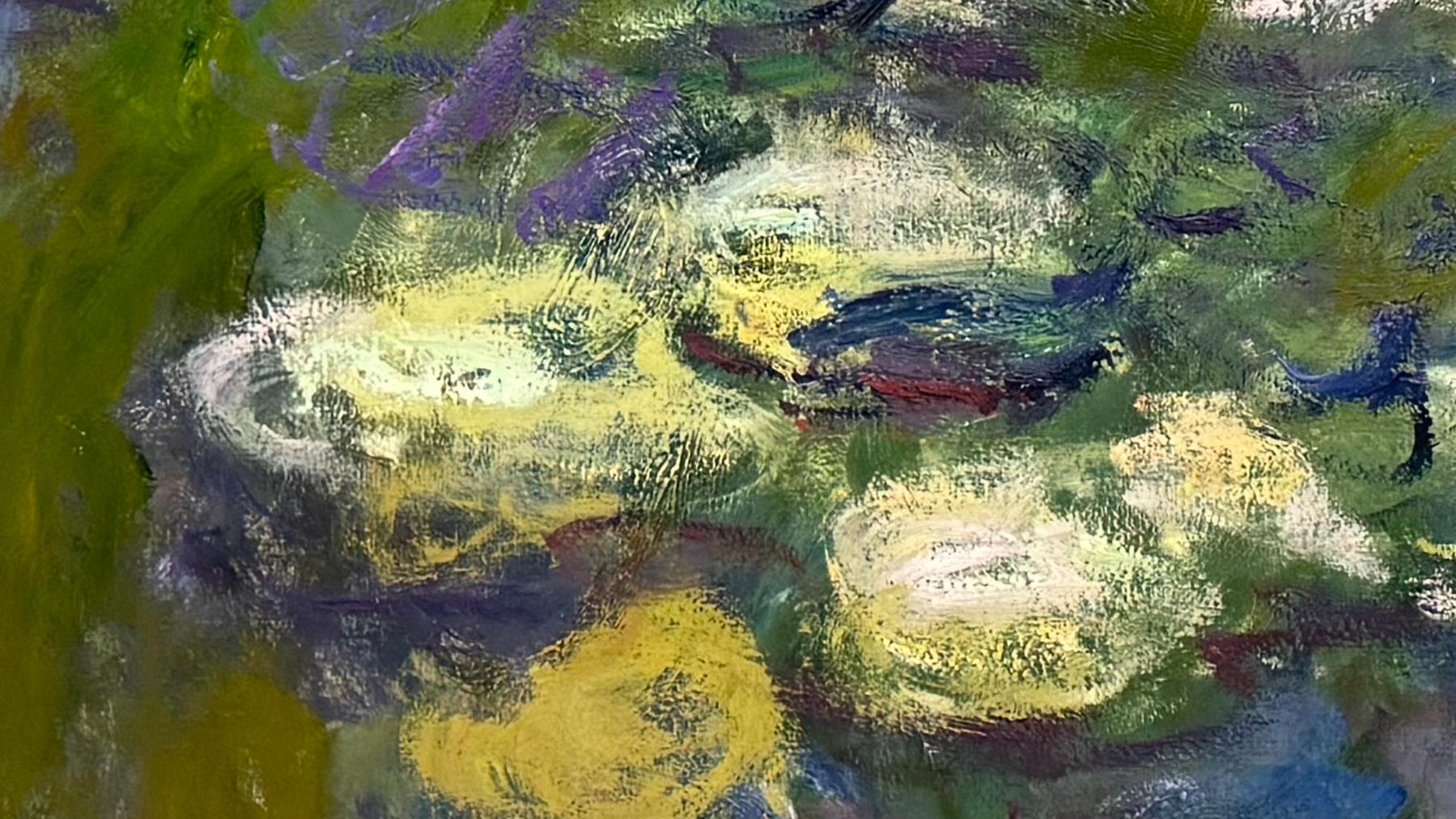
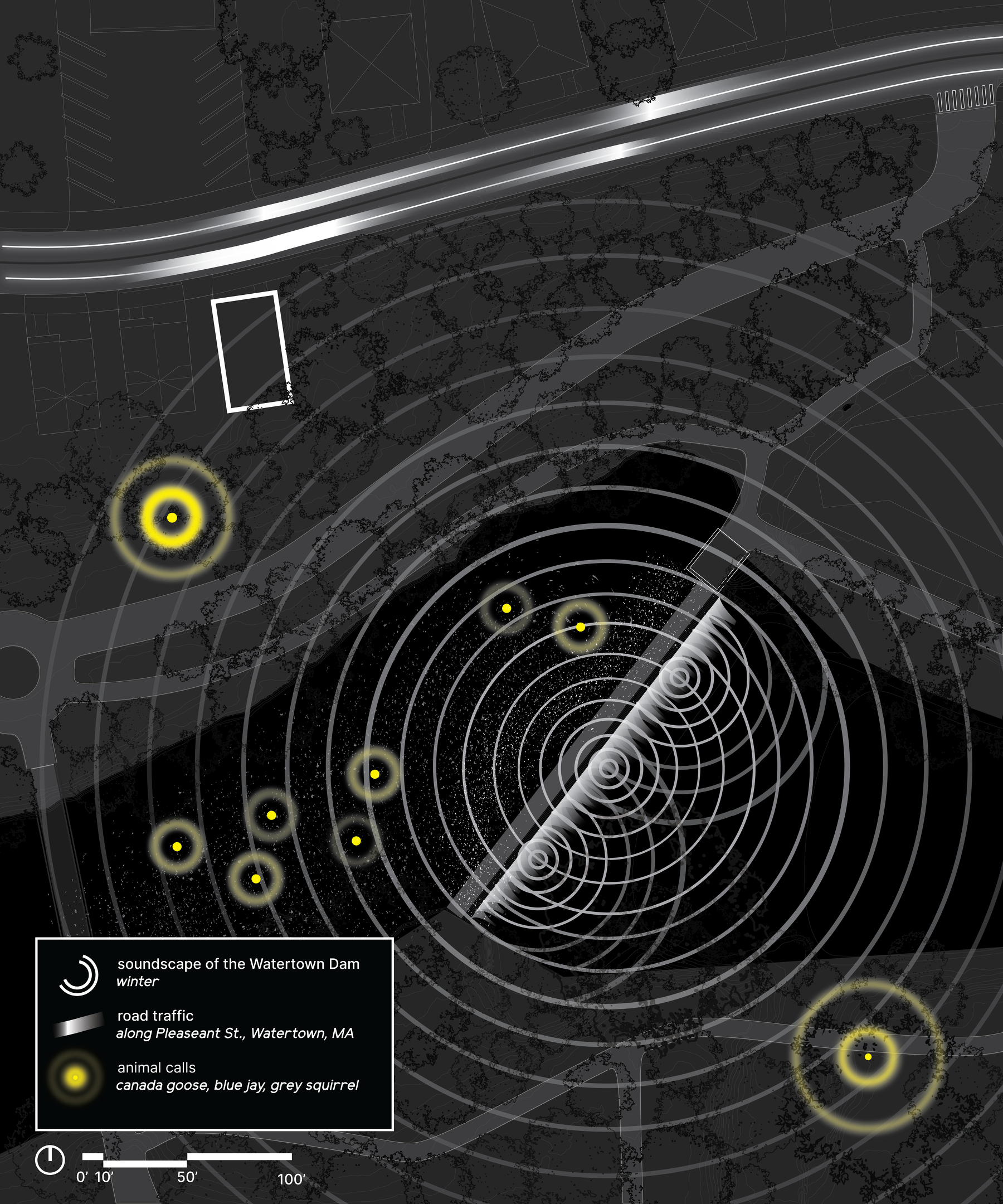
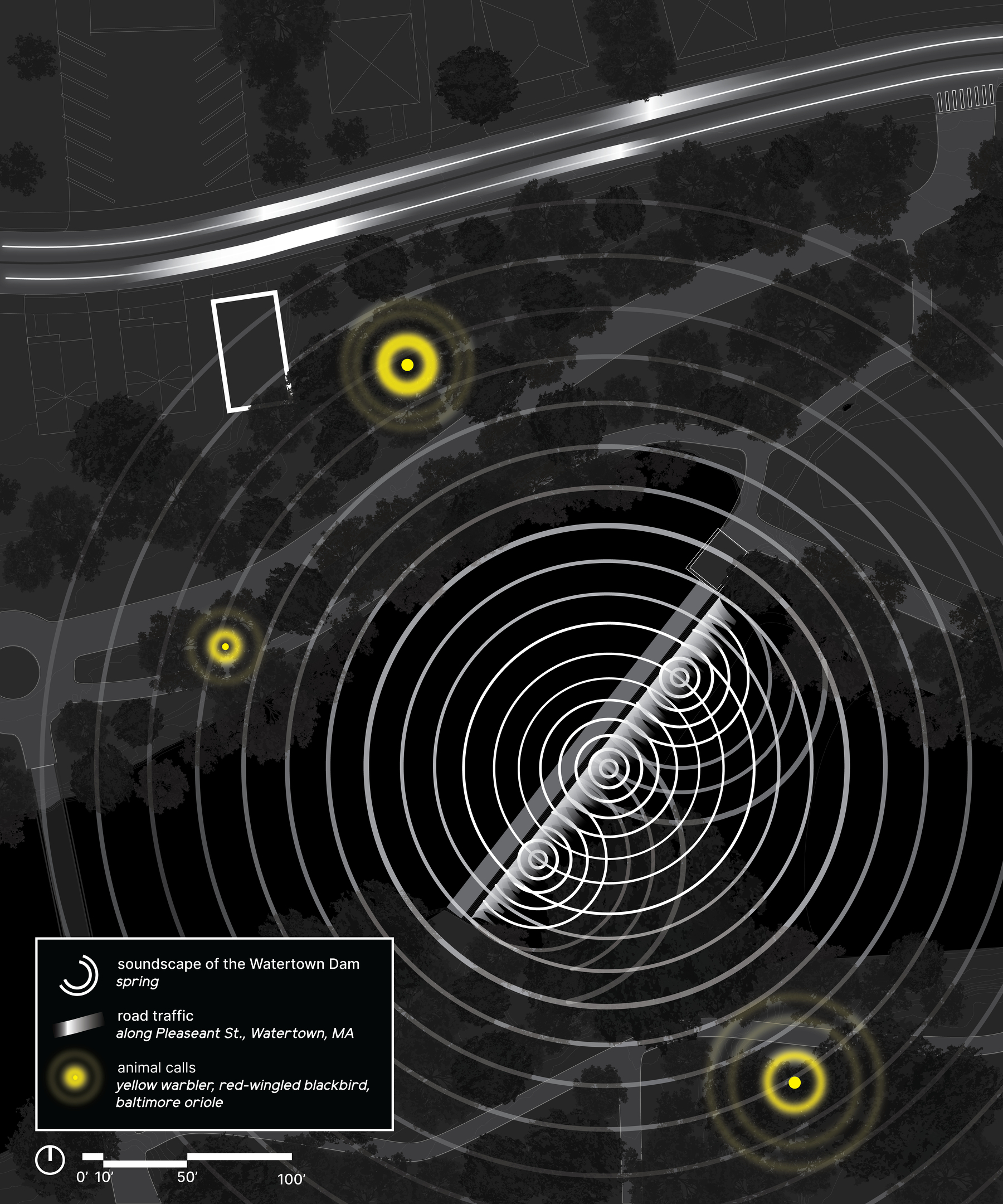
Some preliminary sound drawings by Charlotte at the Watertown Dam. We wrote a short piece about our work so far called “access ecologies renewing”
Notes on Rhino and screen reader support posted on the McNeel forum.
Writing scrap: 1365 (link)

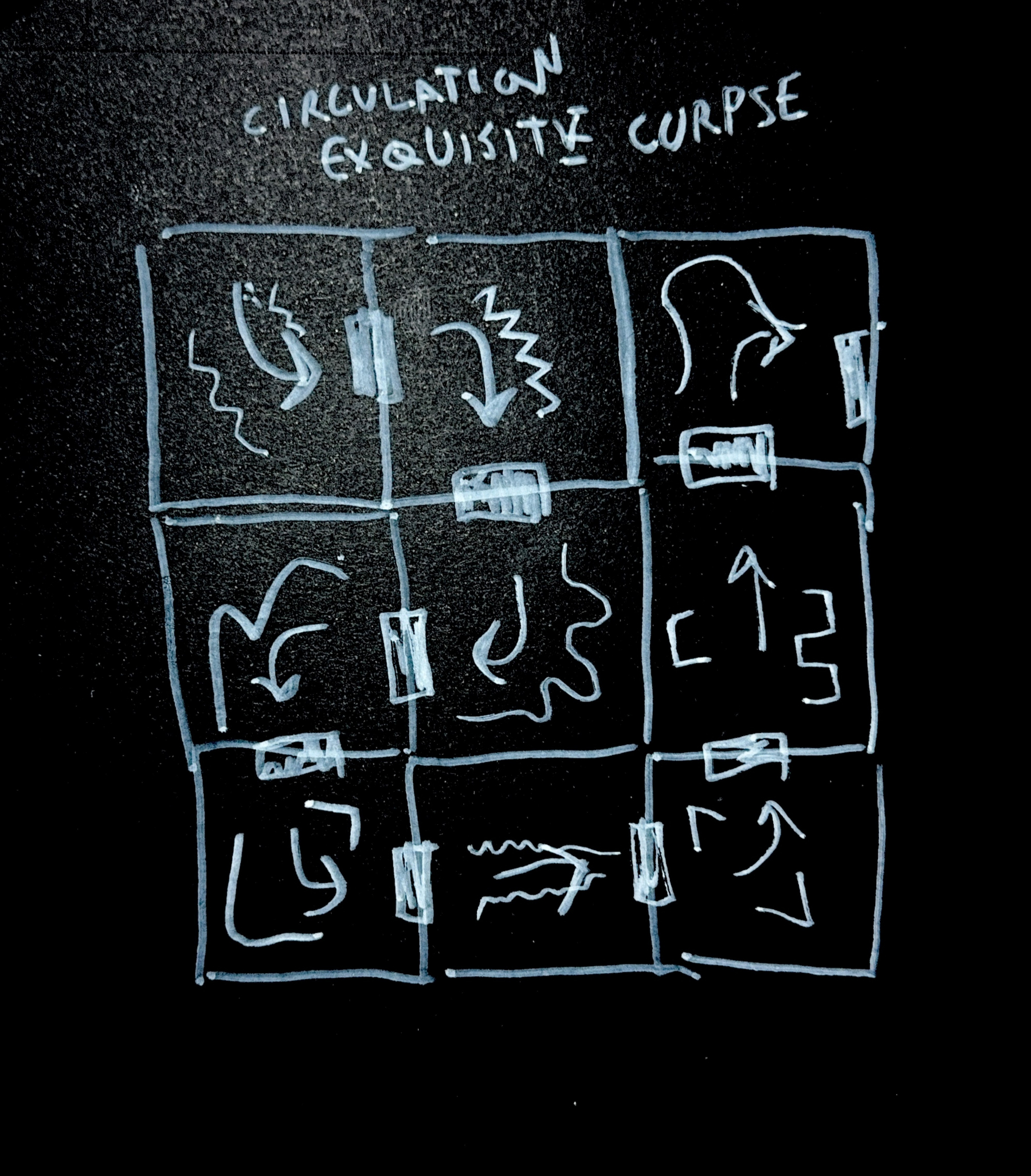
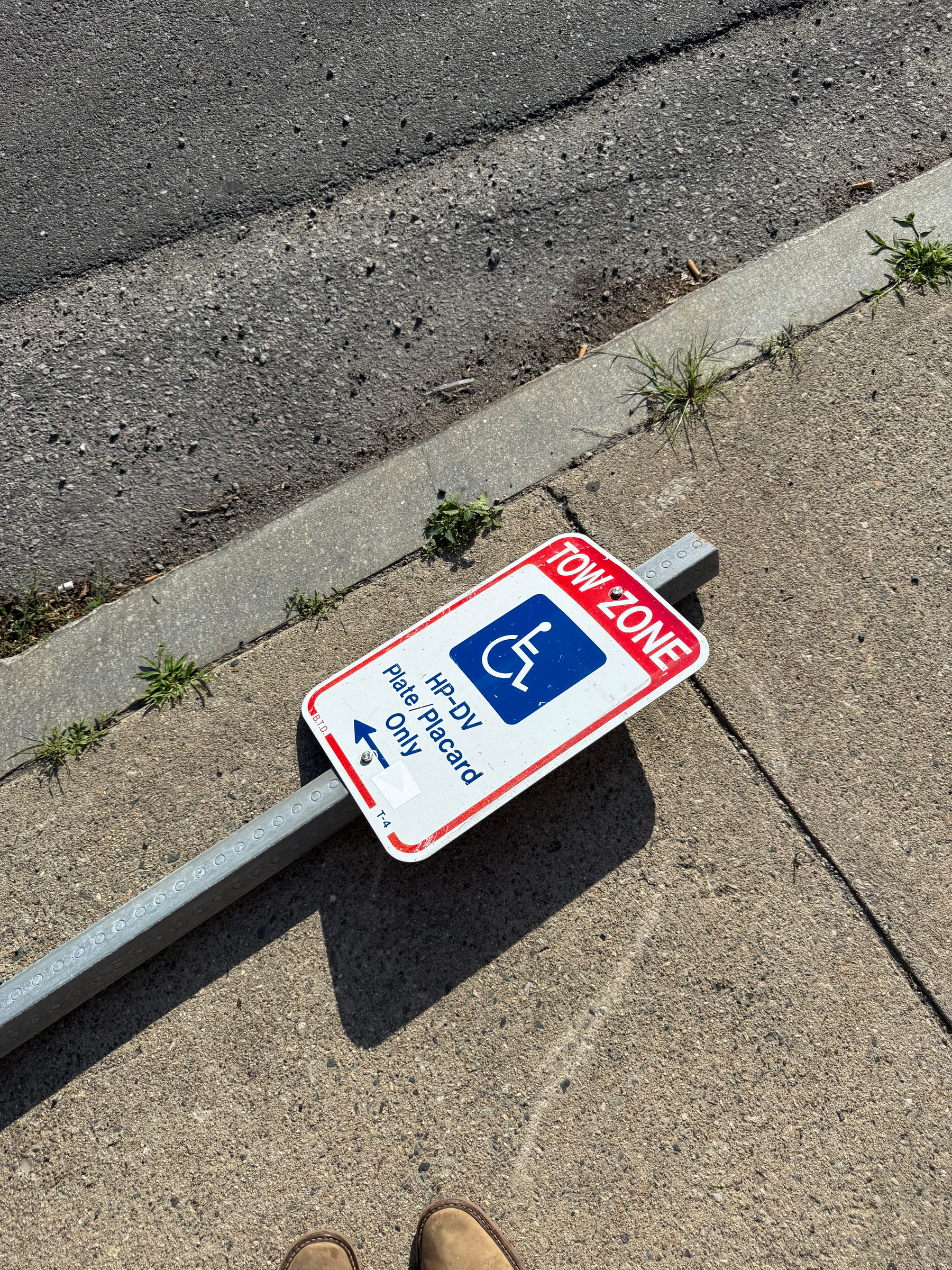
Reading Baldwin this week; The Fire Next Time. I reread several times the letter at the beginning, titled “My Dungeon Shook.” The word “innocent” is used throughout the letter, first sarcastically, and then occasionally the word seems to flicker into sincerity. The letter articulates a theory of oppression alongside a theory of grace. They are in tension, for sure. I get a sense that he won’t take as adequate a kind of love that can’t answer his anger, which is strong and has the armor of justification built up around it. “The really terrible thing, old buddy, is that you must accept them,” he writes, “and I mean that very seriously. You must accept them and accept them with love.” He’s holding onto things, holding things in such a way that they remain in tension, but speak to each other.
“I know what the world has done to my brother and how narrowly he has survived it and I know, which is much worse, and this is the crime of which I accuse my country and my countrymen and for which neither I nor time nor history will ever forgive them, that they have destroyed and are destroying hundreds of thousands of lives and do not know it and do not want to know it. One can be–indeed, one must strive to become–tough and philosophical concerning destruction and death, for this is what most of mankind has been best at since we have heard of man; remember, I said most of mankind. But it is not permissible that the authors of devastation should also be innocent. It is the innocence which constitutes the crime.
Now, my dear namesake, these innocent and well meaning people, your countrymen, have caused you to be born under conditions not far removed from those described for us by Charles Dickens in the London of more than a hundred years ago. I hear the chorus of the innocents screaming, “No, this is not true. How bitter you are,” but I am writing this letter to you to try to tell you something about how to handle them, for most of them do not yet really know that you exist. I know the conditions under which you were born for I was there. Your countrymen were not there and haven’t made it yet. Your grandmother was also there and no one has ever accused her of being bitter. I suggest that the innocent check with her. She isn’t hard to find. Your countrymen don’t know that she exists either, though she has been working for them all their lives. "
“Please try to be clear, dear James, through the storm which rages about your youthful head today, about the reality which lies behind the words “acceptance” and “integration.” There is no reason for you to try to become like white men and there is no basis whatever for their impertinent assumption that they must accept you. The really terrible thing, old buddy, is that you must accept them, and I mean that very seriously. You must accept them and accept them with love, for these innocent people have no other hope. They are in effect still trapped in a history which they do not understand and until they understand it, they cannot be released from it.
[…]
But these men are your brothers, your lost younger brothers, and if the word “integration” means anything, this is what it means, that we with love shall force our brothers to see themselves as they are, to cease fleeing from reality and begin to change it, for this is your home, my friend. Do not be driven from it. Great men have done great things here and will again and we can make America what America must become.”
Sledgehammer curb cut from Smithsonian and quote on critical & speculative design from an audience member at Fiona Dunne & Anthony Raby’s talk, “Unreal Design” (I edited the quote for phrasing and brevity). They replied that we need many types of critical design, which I somewhat agree with, but I still find the quote useful:
“One of the most interesting critiques of critical design is, in my opinion, is that the site of critical design is not within educational setups but in the so-called ‘real world,’ in emergent situations. The critical designer is the one who is actually struggling, fighting with, and hacking the system in order to survive, and thus engages in some form of counter-design and critique. The same with speculative design. Those who forge their passports to cross the border speculate on different types of reality in which borders do not exist.”
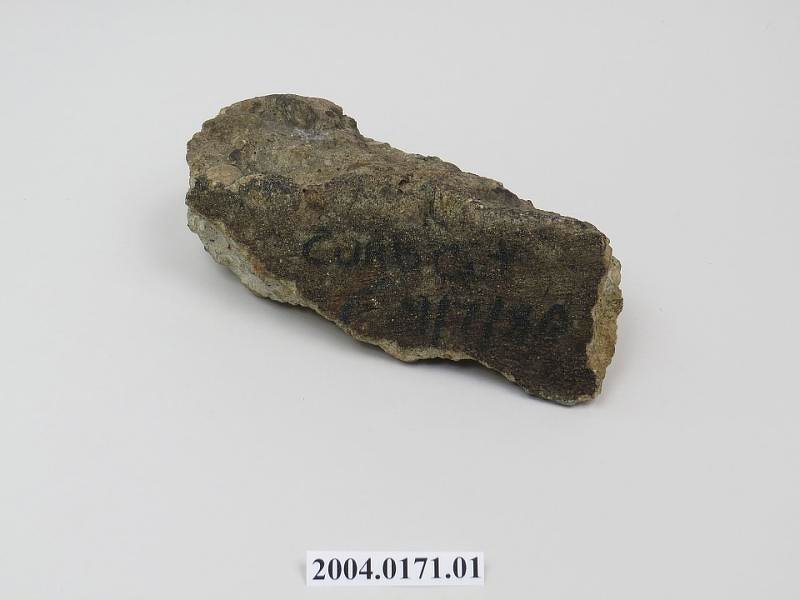
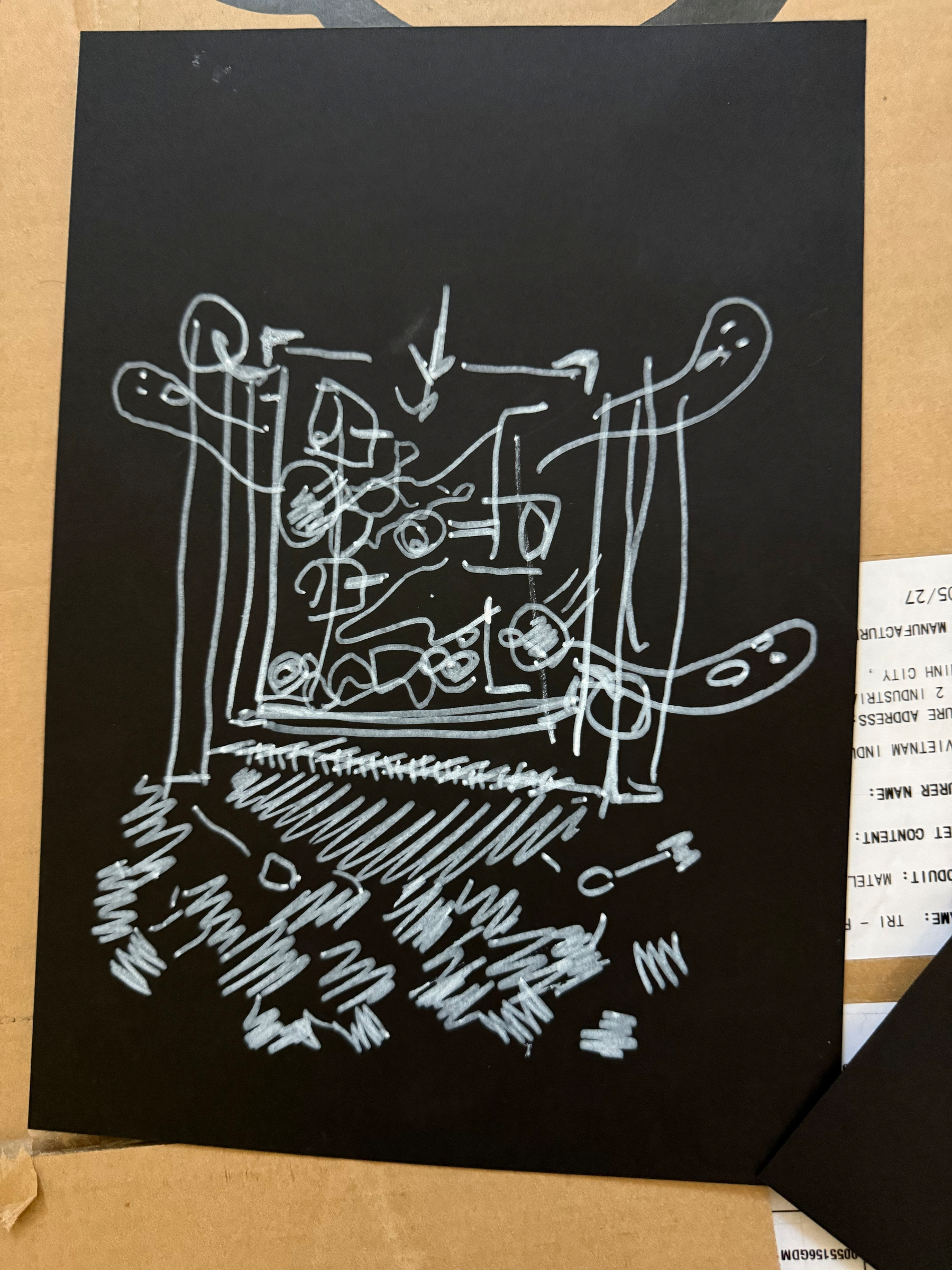
Four sketches for house at Perkins, and four atmospheric descriptions of the same space in different seasons and times of day, typos intact (here), giving myself permission to let magical realism guide the design.
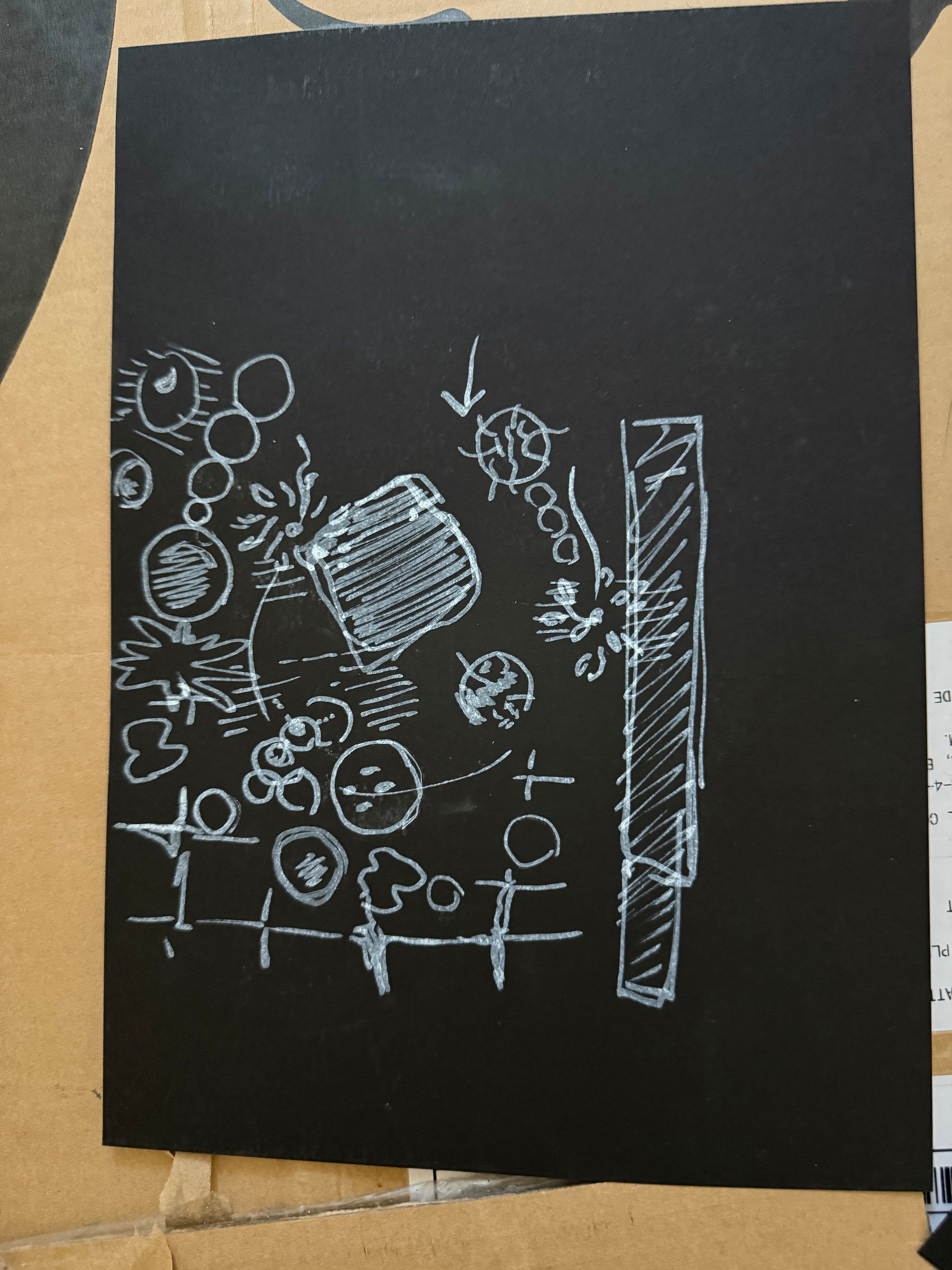
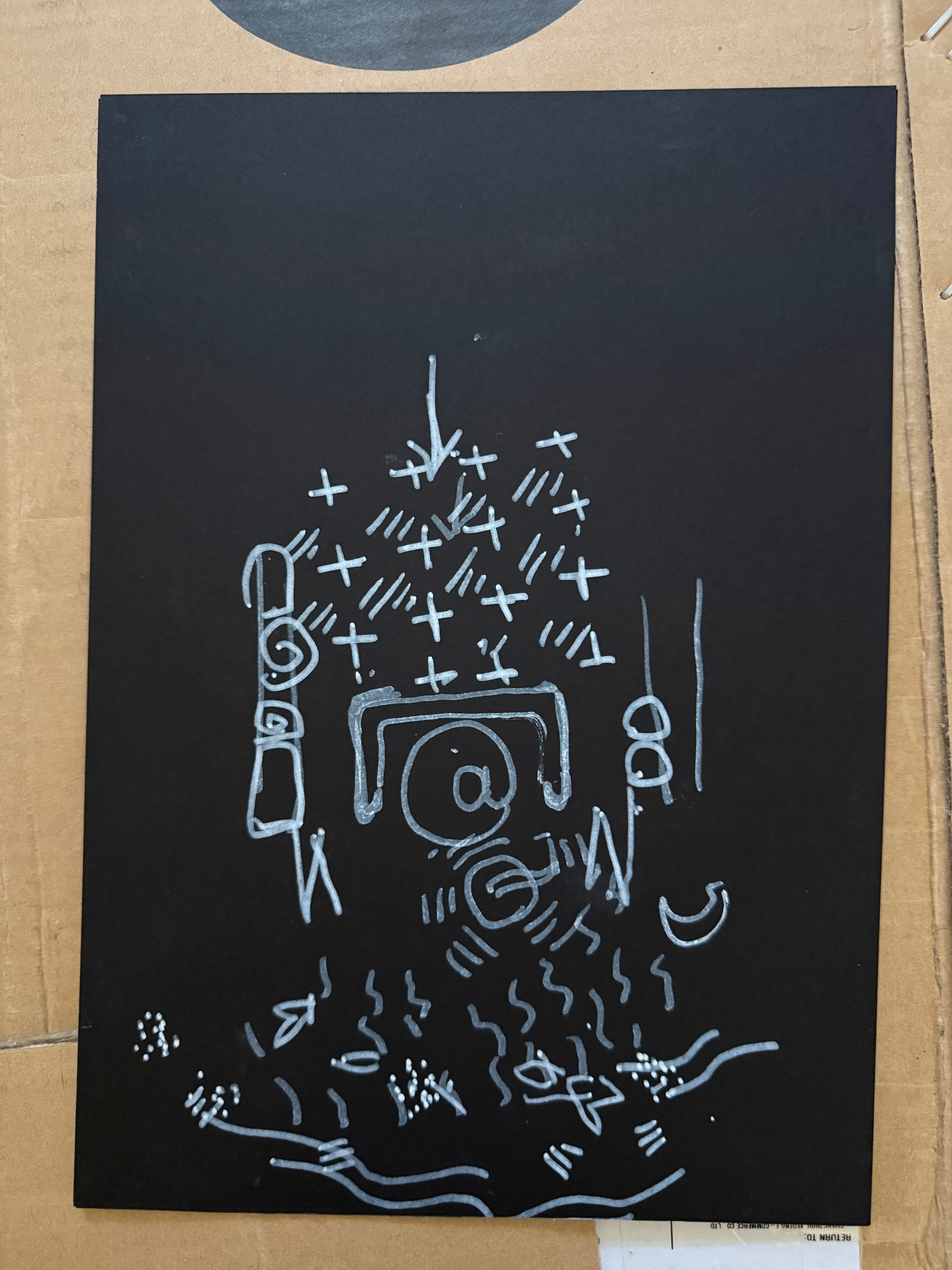
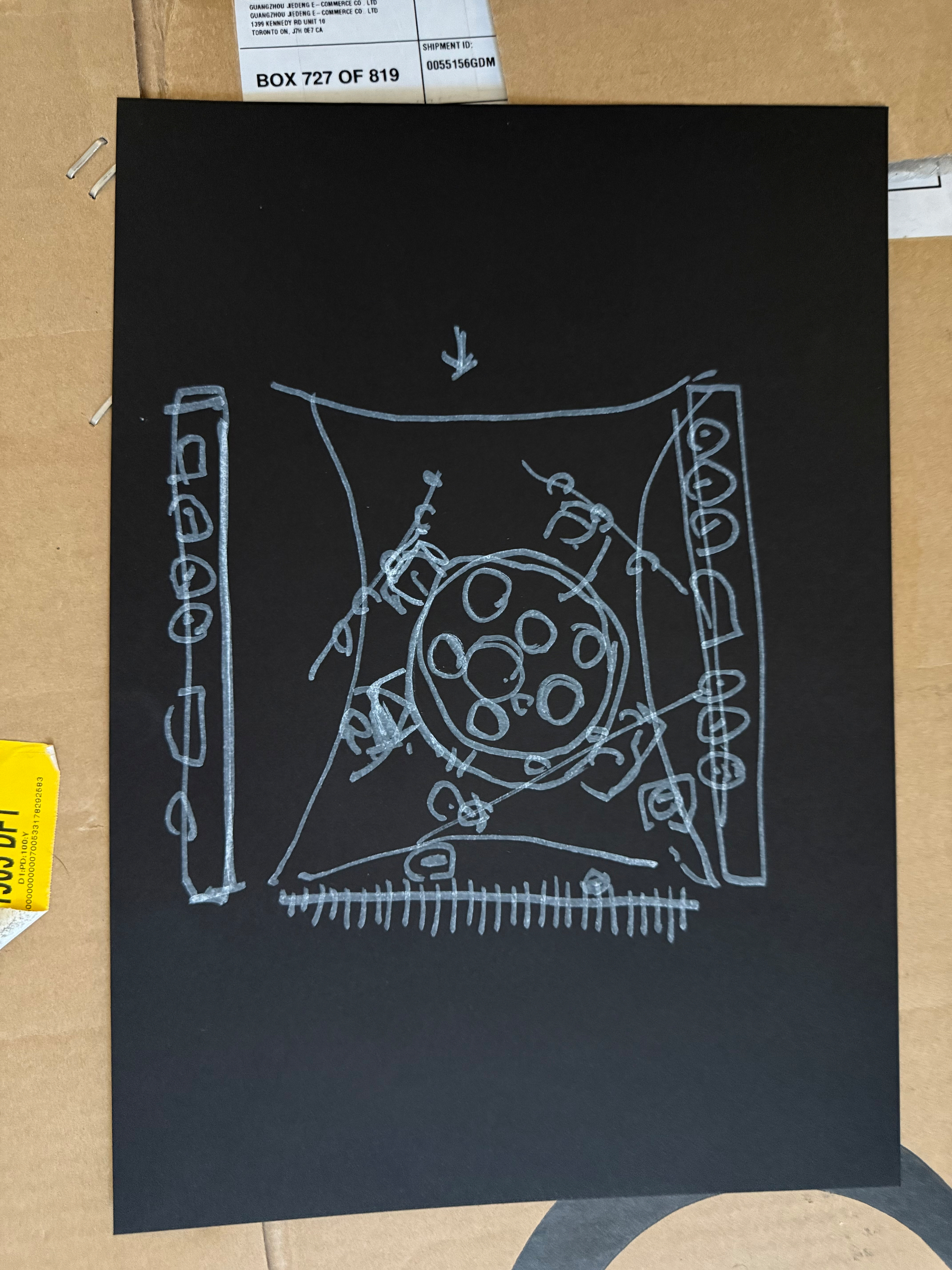
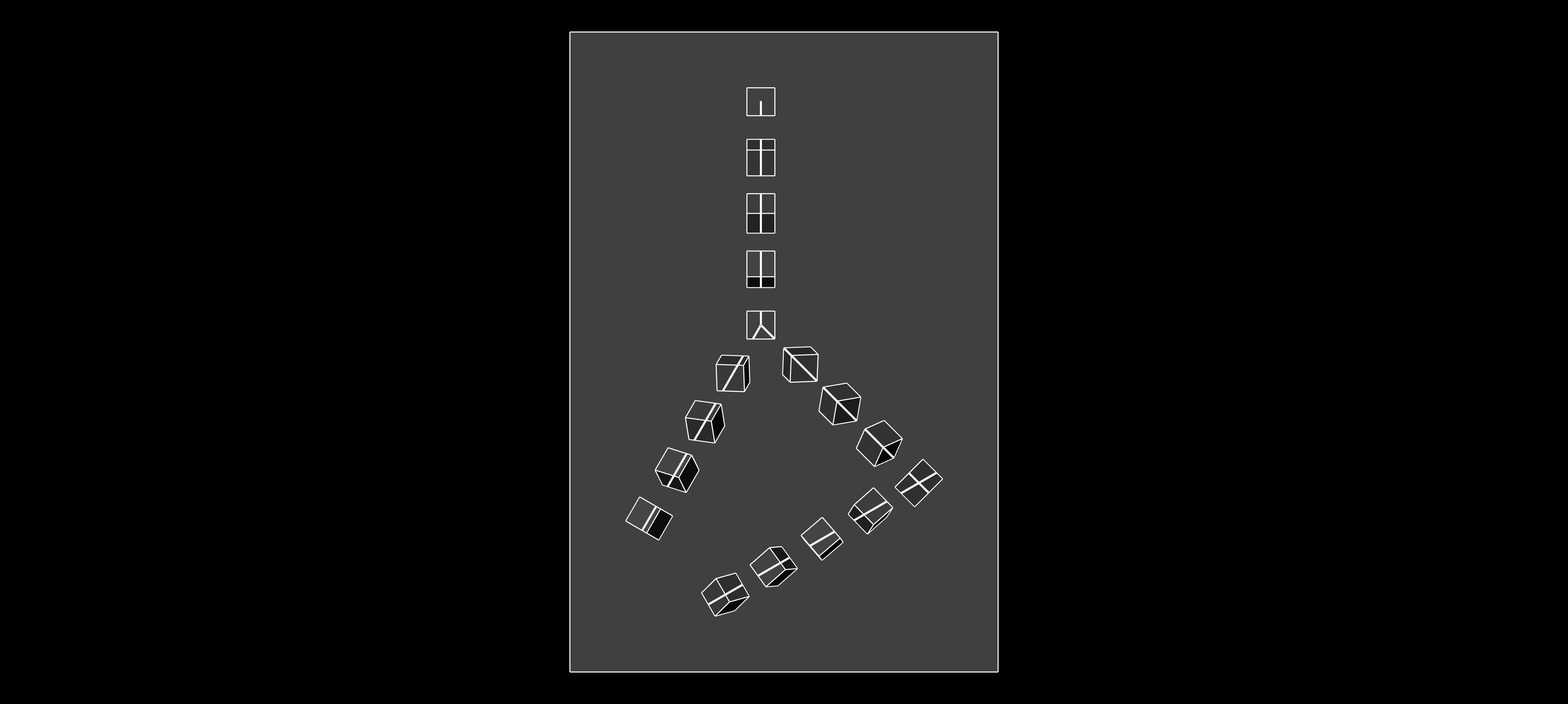
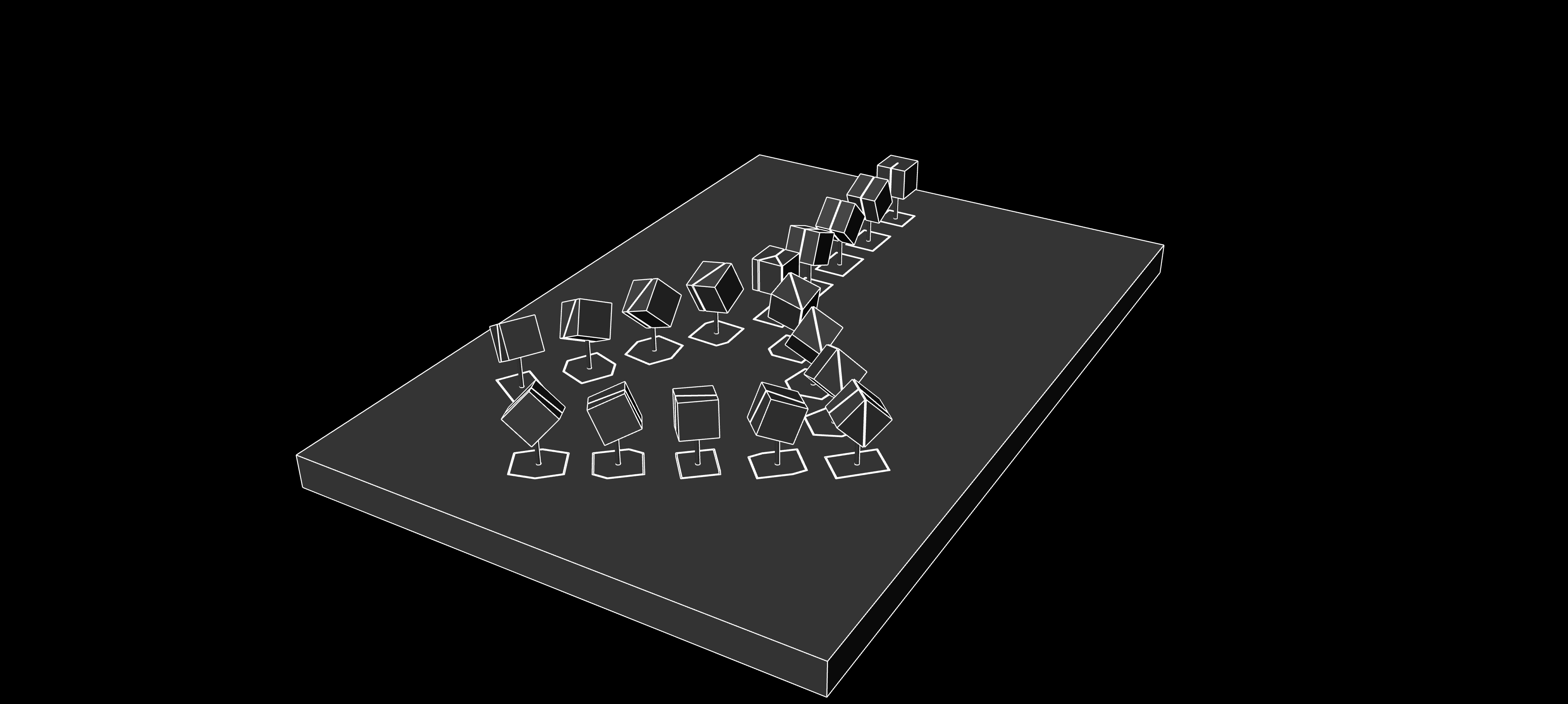
Starting to make some models related to teaching technical drafting to blind students. This is a design for a model showing the rotation of a set of cubes whose outlines are projected to a flat surface.
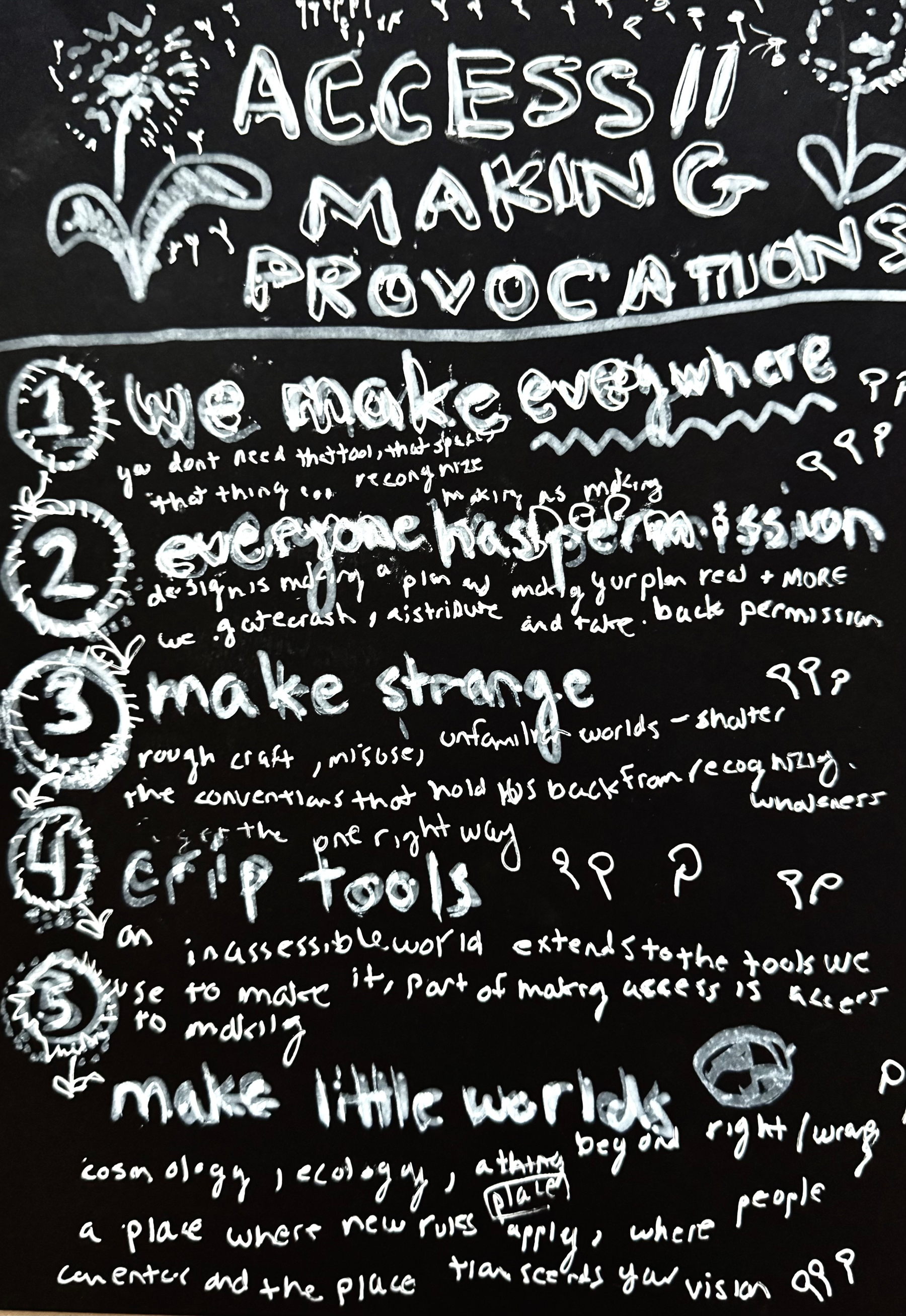
Jen White-Johnson came to class today. The topic was “Manifestos and Manifestations.” I made this little manifesto on access to making. I can’t see my writing or drawing while I write anymore, and have been trying to embrace that as part of my changing blind aesthetics. In our discussion, Jen said the tilting lines were being blown like the dandelion seeds, which I loved.
Complaint record - to York union on retrograde accommodation practices and associated costs ($385) link
Was glad to share a few thoughts in Andrew Leland’s recent reason to be cheerful piece on blind architecture. Also kind of funny that my “reason to be cheerful” was that blind architects disagree with each other.
Quote-sheet on futures for a class. This was fun, may continue to accumulate in it and see what kinds of structure it takes on.
A few notes on being late.
Been grumpy this month, for some reason. But lately I’ve also been thinking about how to make a quilt of oddly shaped stars.