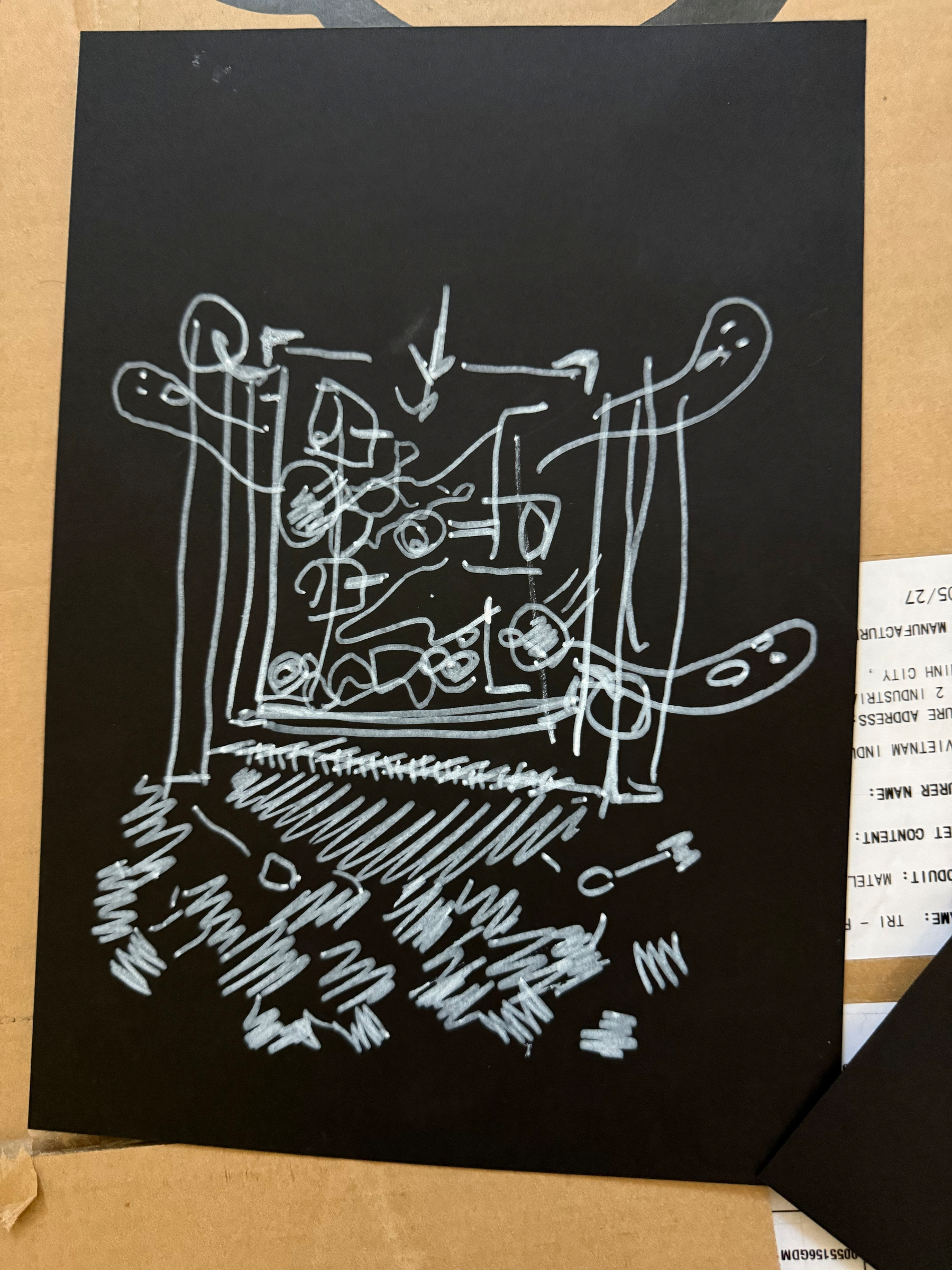
Four sketches for house at Perkins, and four atmospheric descriptions of the same space in different seasons and times of day, typos intact (here), giving myself permission to let magical realism guide the design.
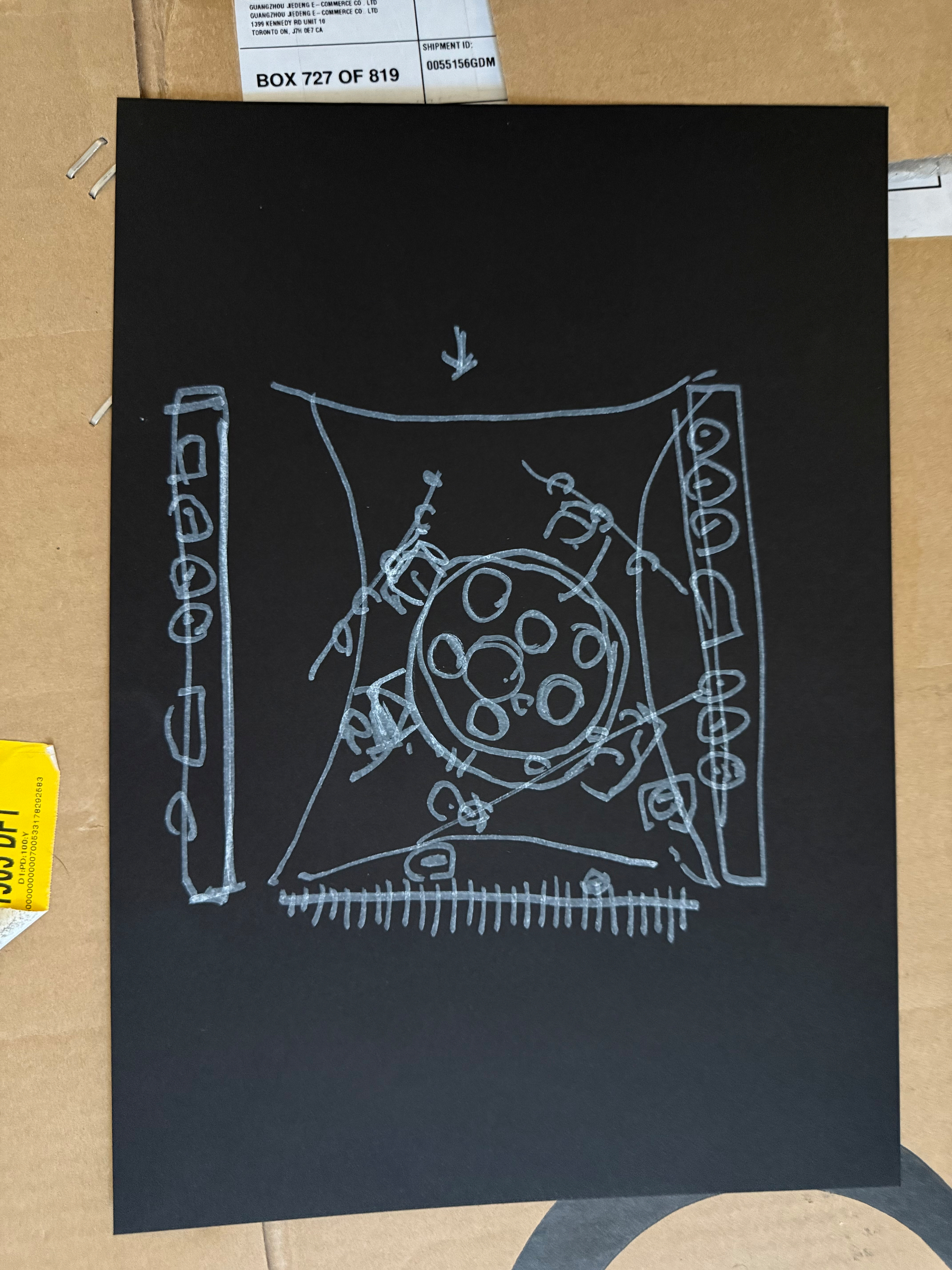
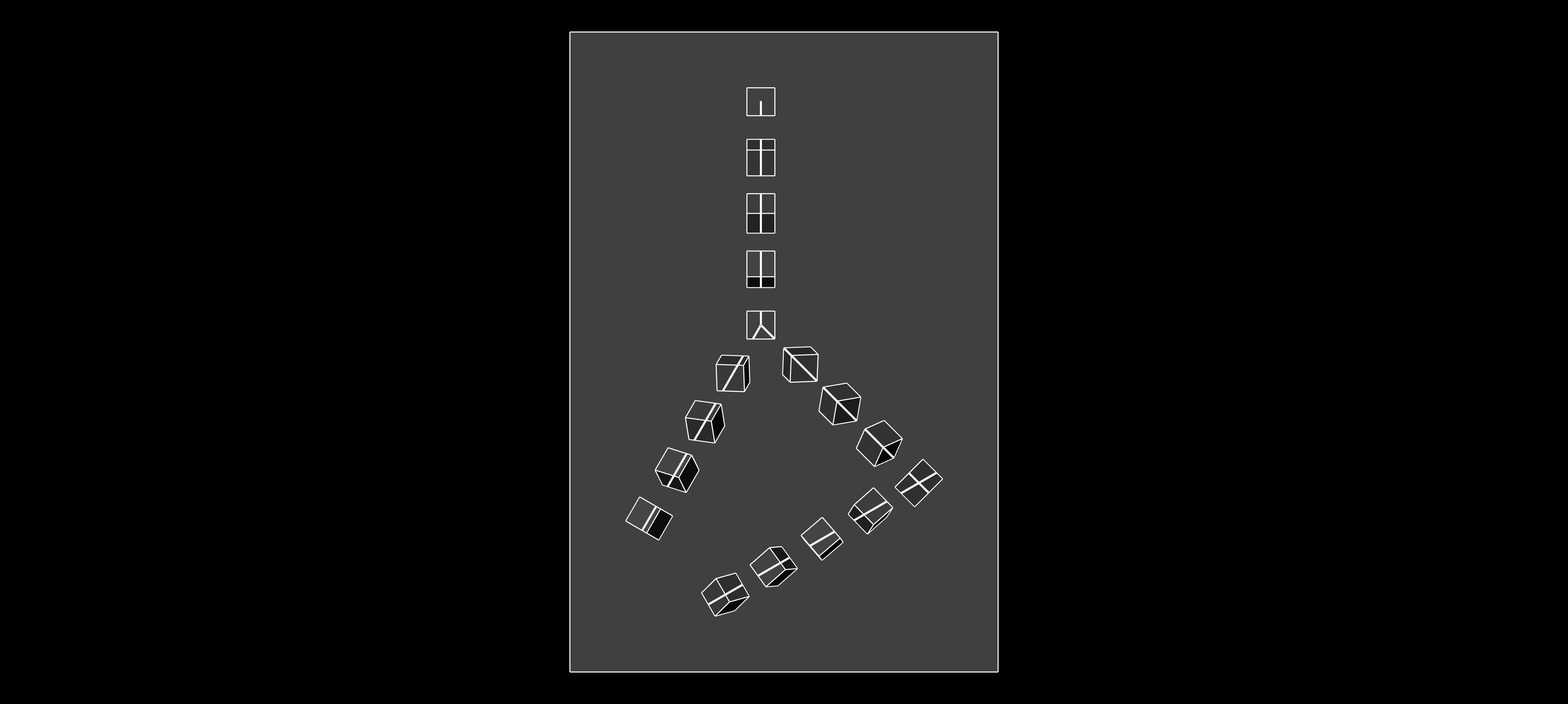
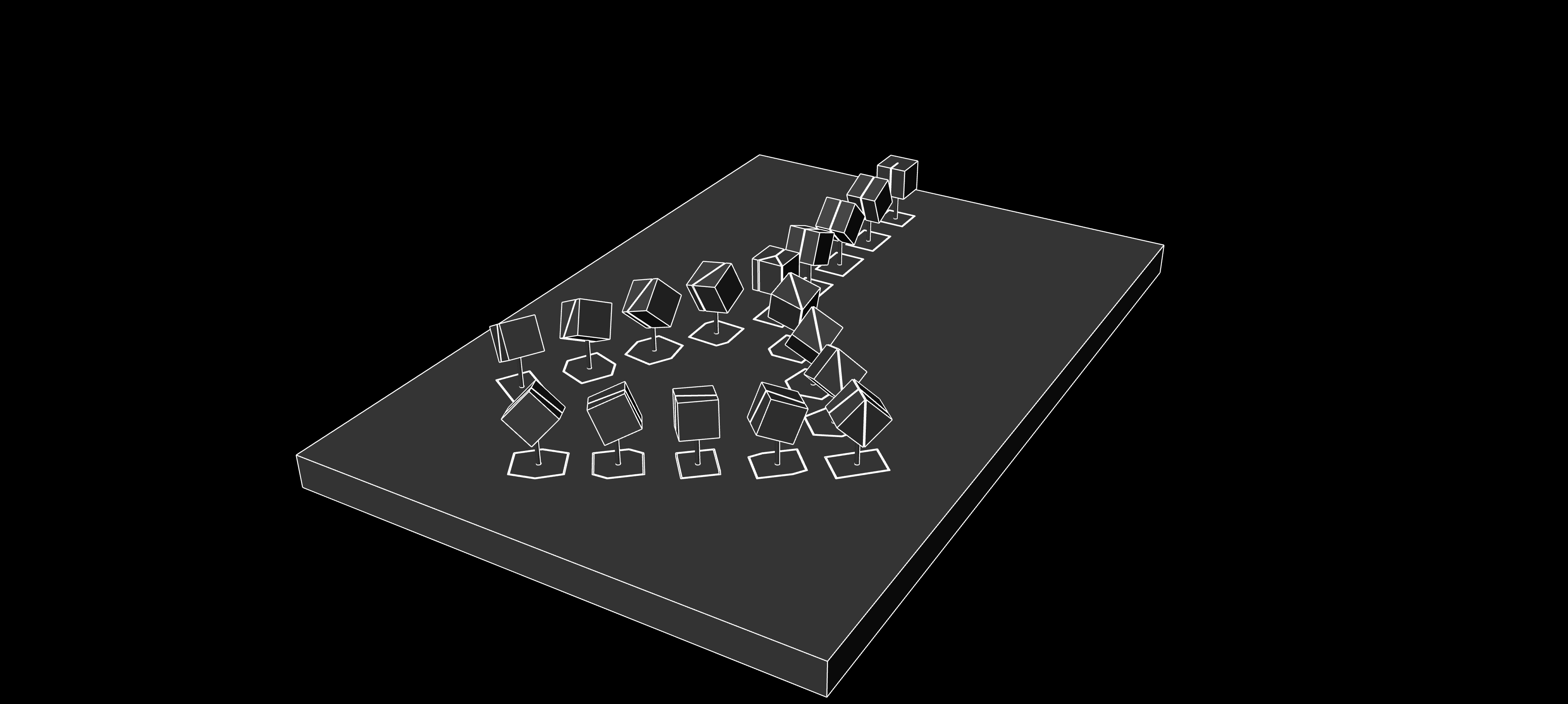
Starting to make some models related to teaching technical drafting to blind students. This is a design for a model showing the rotation of a set of cubes whose outlines are projected to a flat surface.
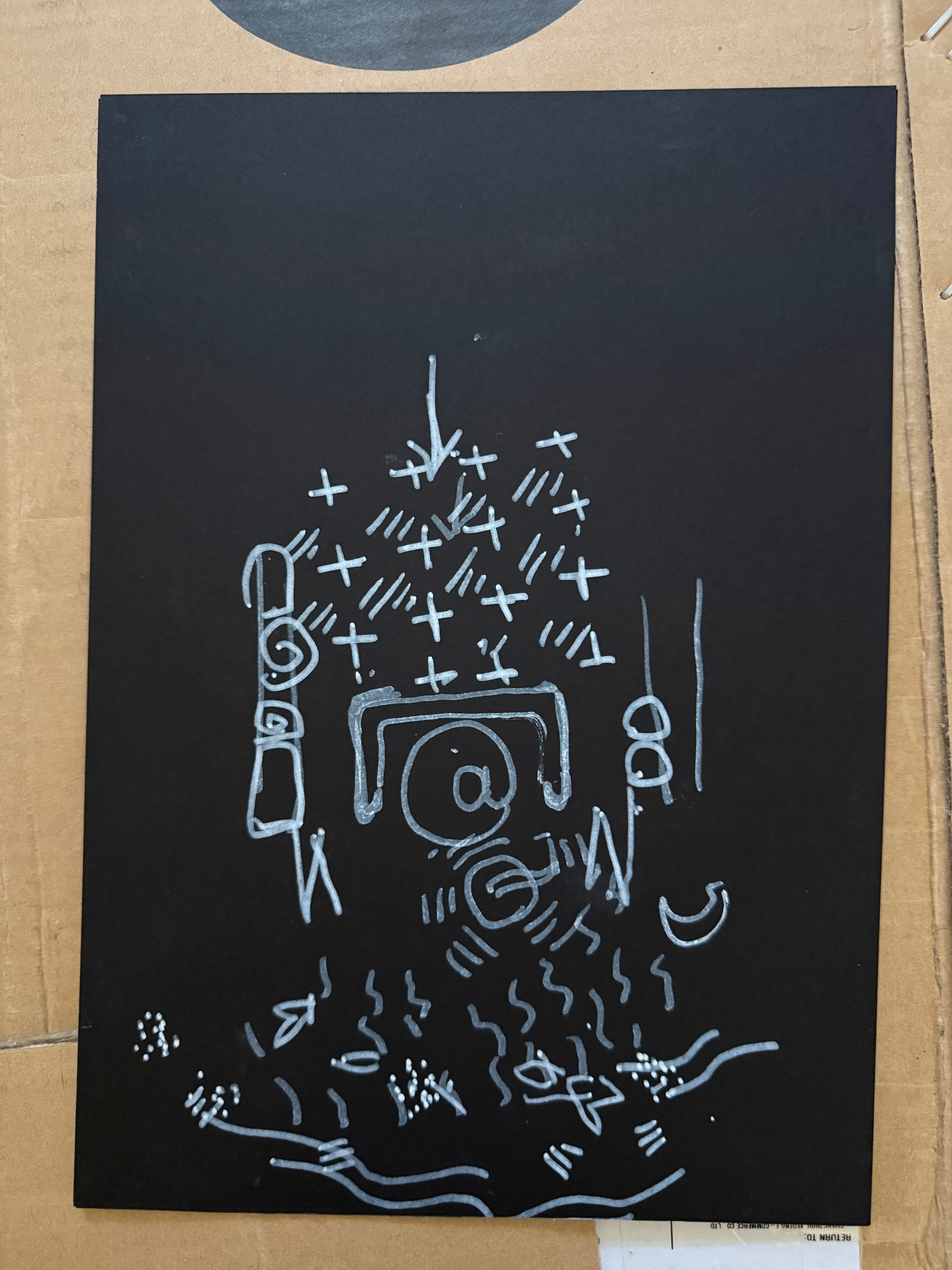
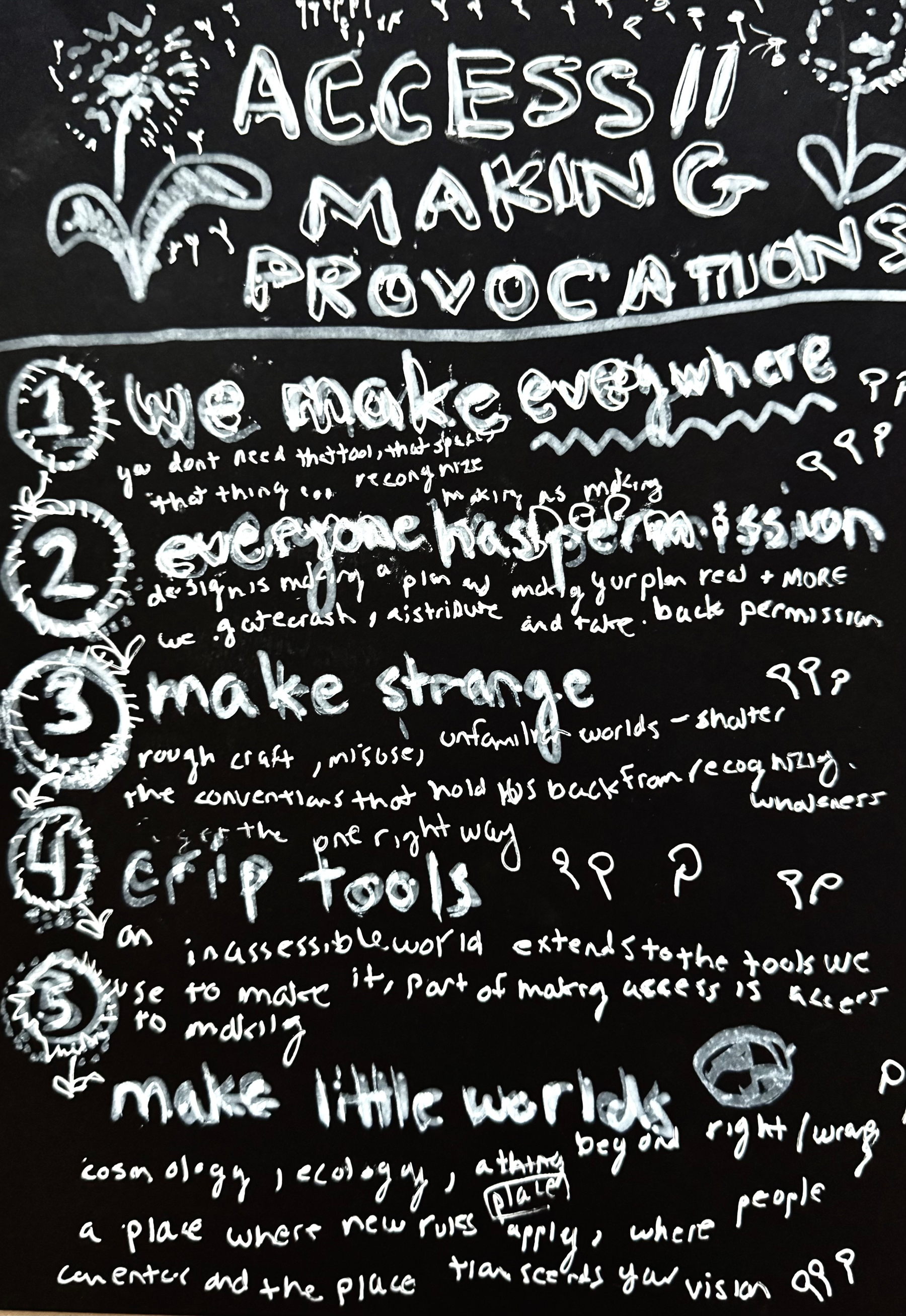
Jen White-Johnson came to class today. The topic was “Manifestos and Manifestations.” I made this little manifesto on access to making. I can’t see my writing or drawing while I write anymore, and have been trying to embrace that as part of my changing blind aesthetics. In our discussion, Jen said the tilting lines were being blown like the dandelion seeds, which I loved.
Complaint record - to York union on retrograde accommodation practices and associated costs ($385) link
Was glad to share a few thoughts in Andrew Leland’s recent reason to be cheerful piece on blind architecture. Also kind of funny that my “reason to be cheerful” was that blind architects disagree with each other.
Quote-sheet on futures for a class. This was fun, may continue to accumulate in it and see what kinds of structure it takes on.
A few notes on being late.
Been grumpy this month, for some reason. But lately I’ve also been thinking about how to make a quilt of oddly shaped stars.
For one week every time I encounter an accessibility issue on my iPhone I will send a note to Apple’s accessibility team. The rule is that I will send a report every time i encounter the bug, so that it annoys them as frequently as it does me. It’s Monday and I have so far sent seven notes.
A few notes to a colleague on an alt text project I worked on, thinking about what it means to write alt text from blind/low-vision optics, processing, and perception. May eventually turn this into something
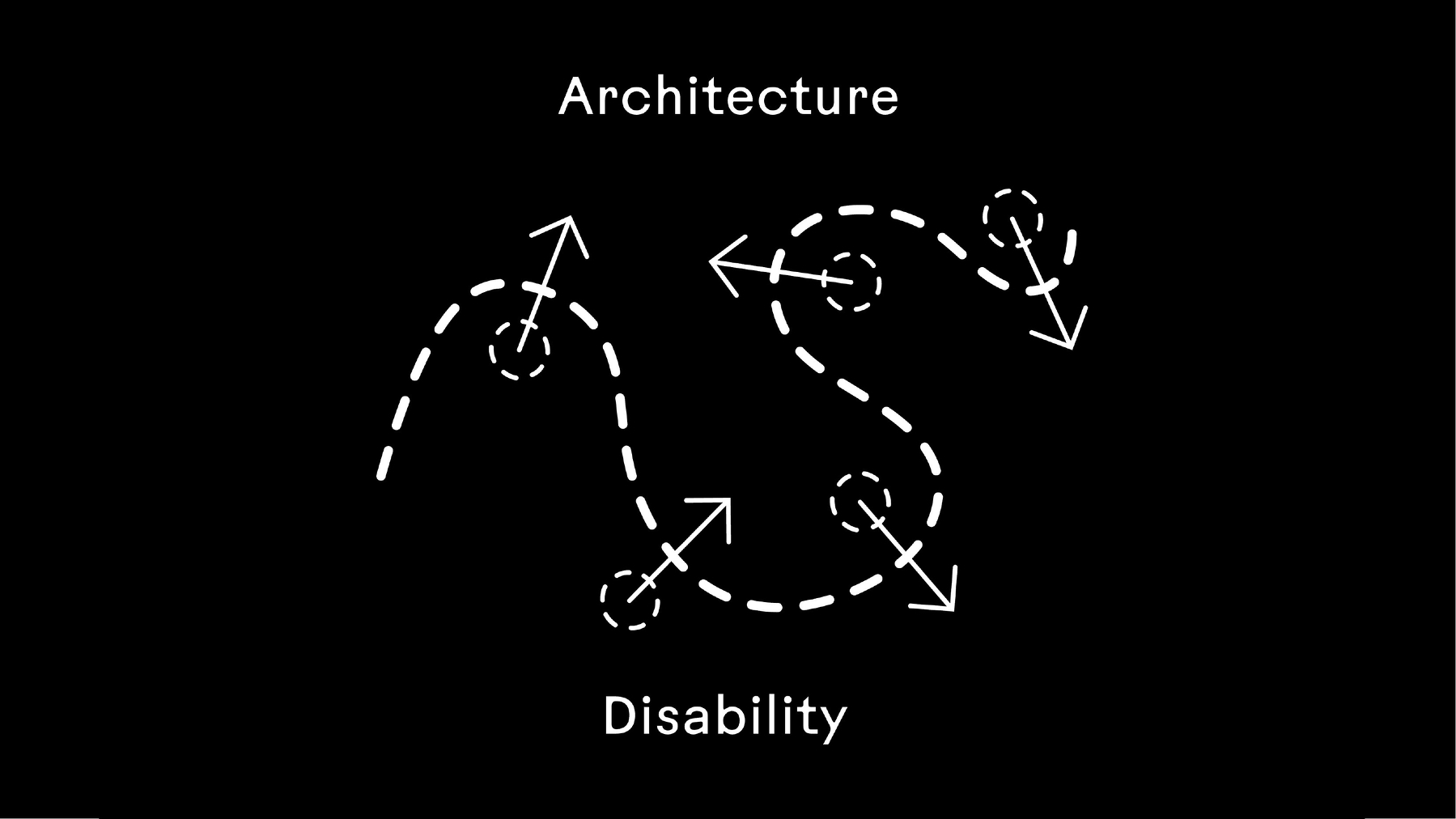
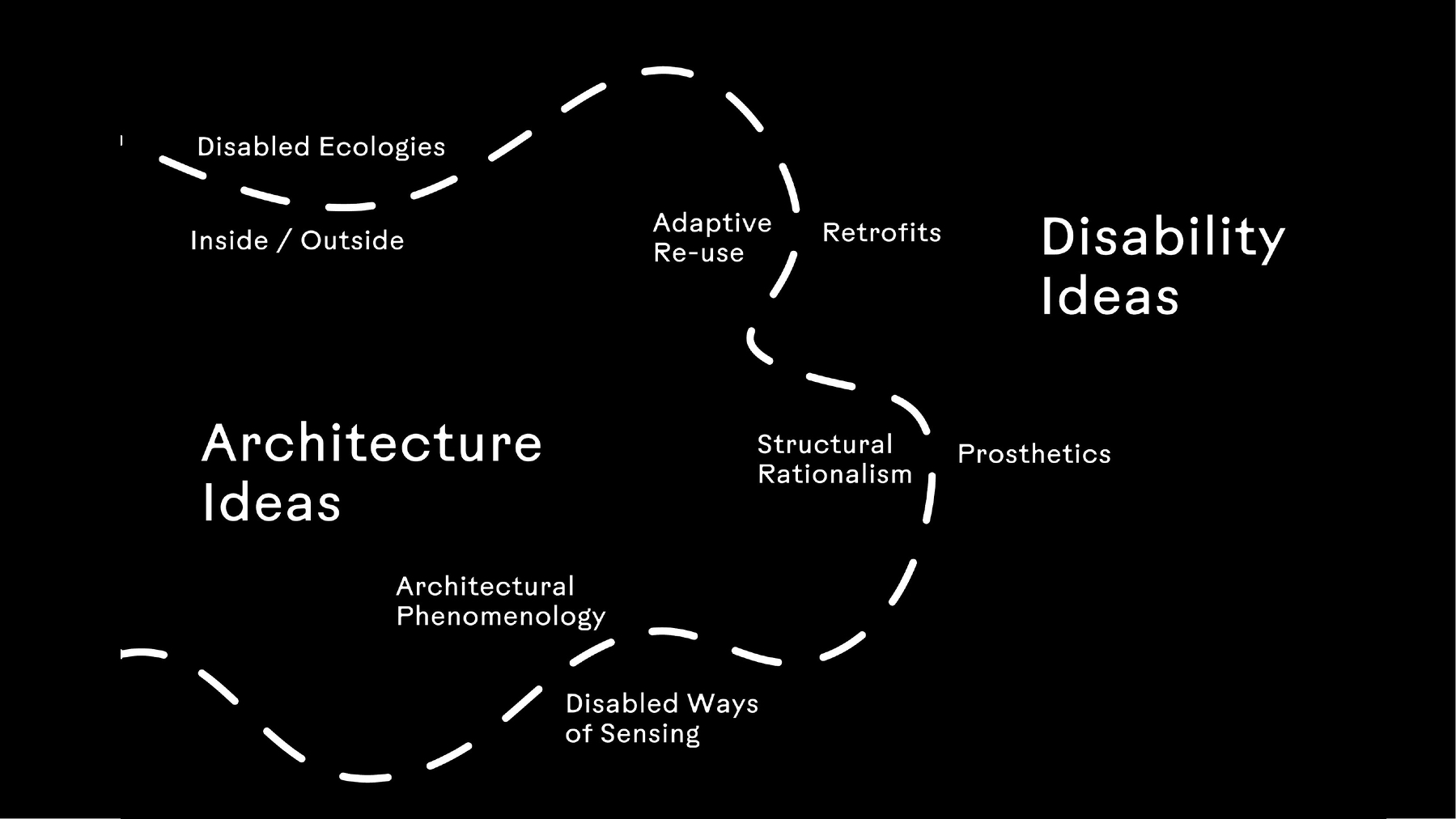
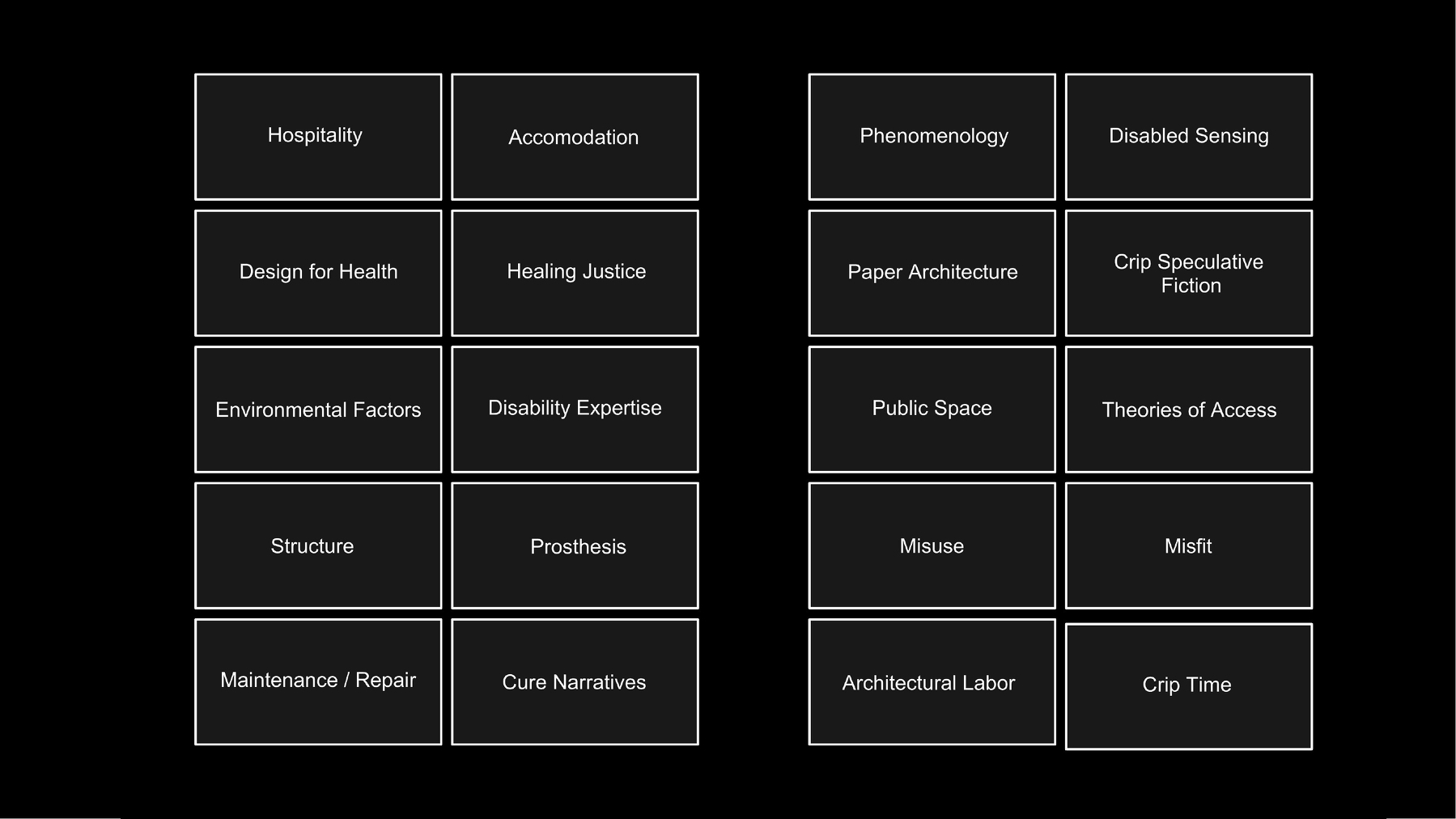
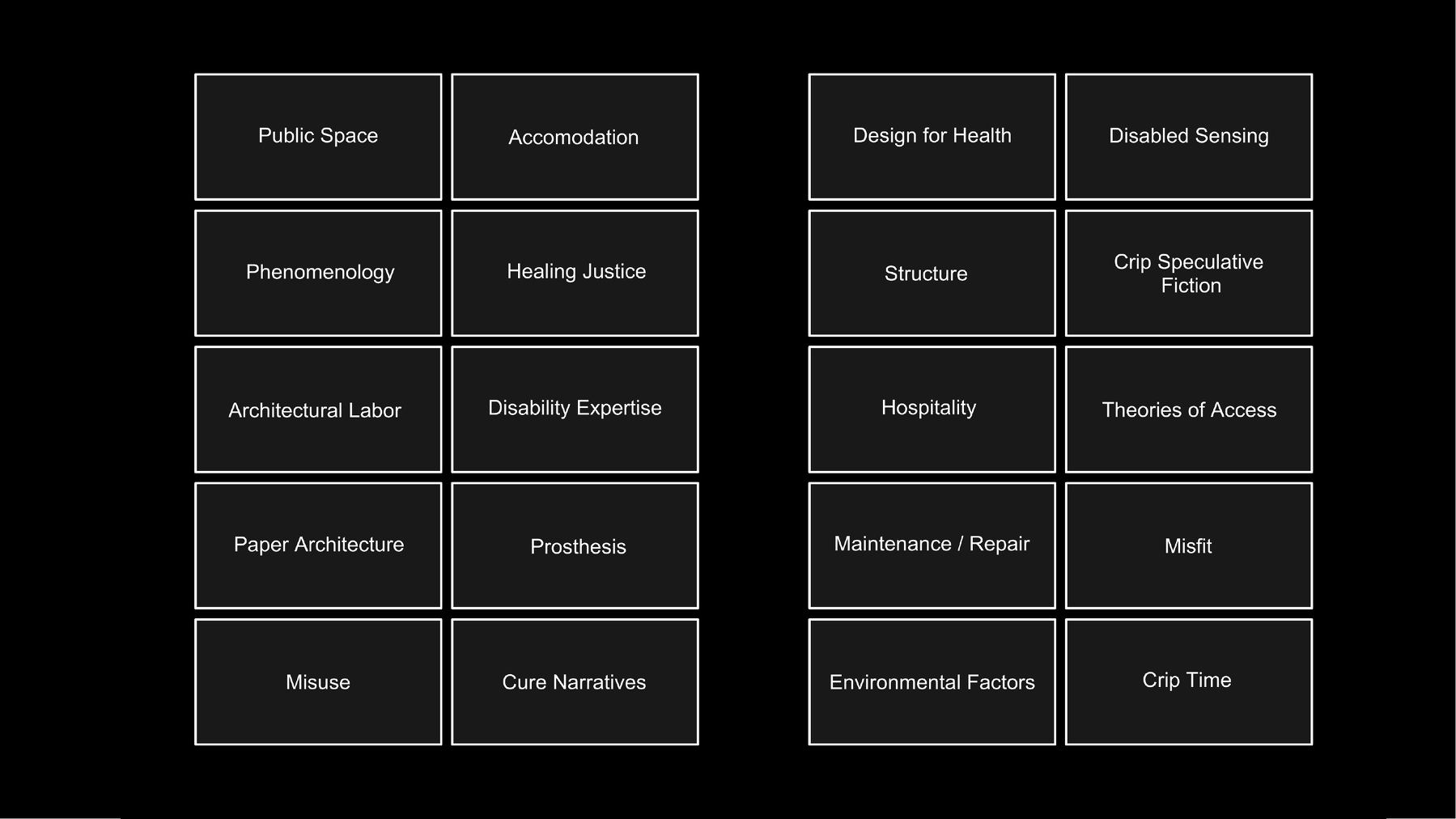
A few images from pre-thesis work (2023). One of the sketches, which later became central, was taking these cards which had terms from architecture and disability studies felt to me like areas of alignment, and then shuffling them to create unlikely pairs that were more challenging to imagine.
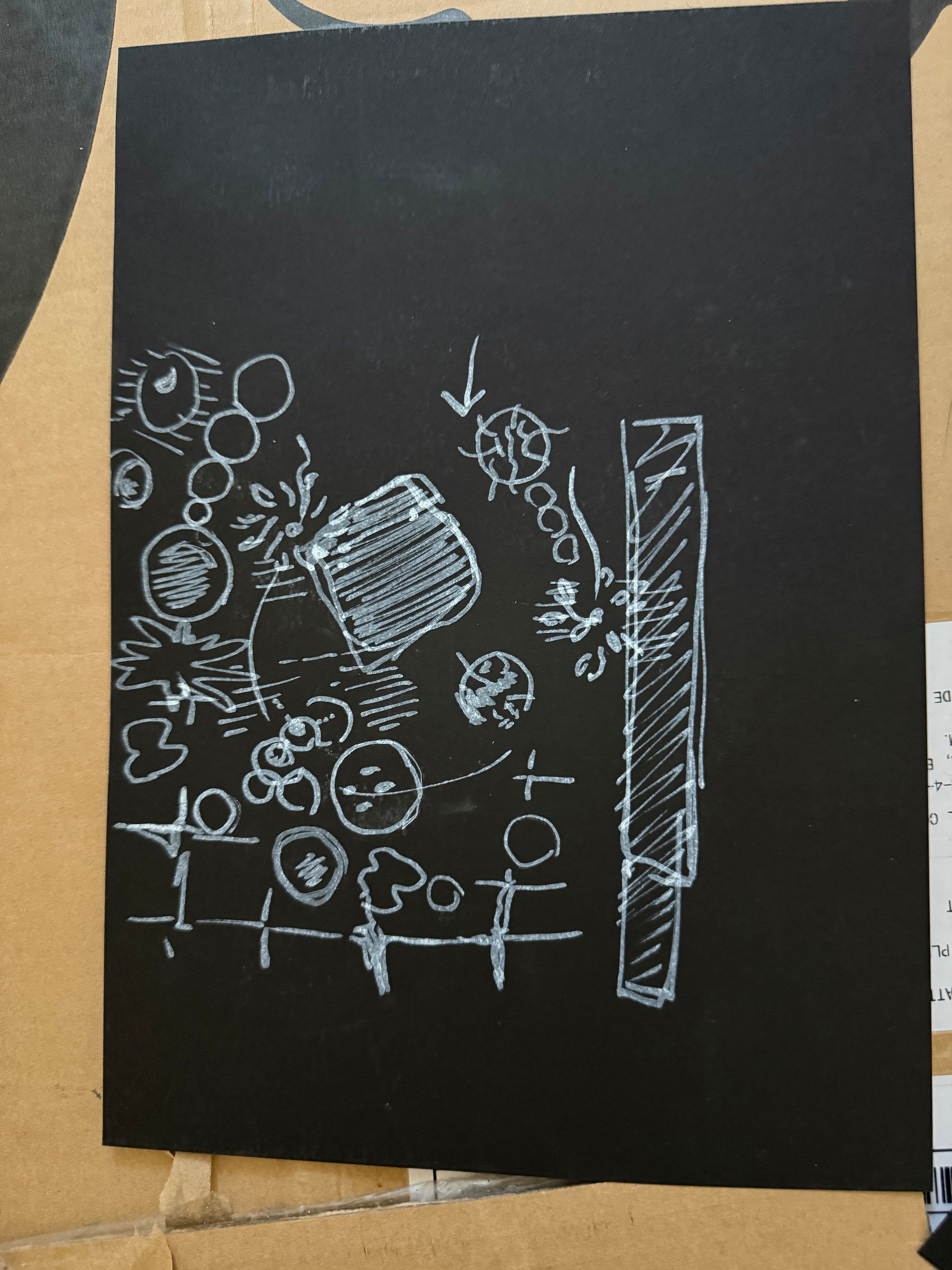
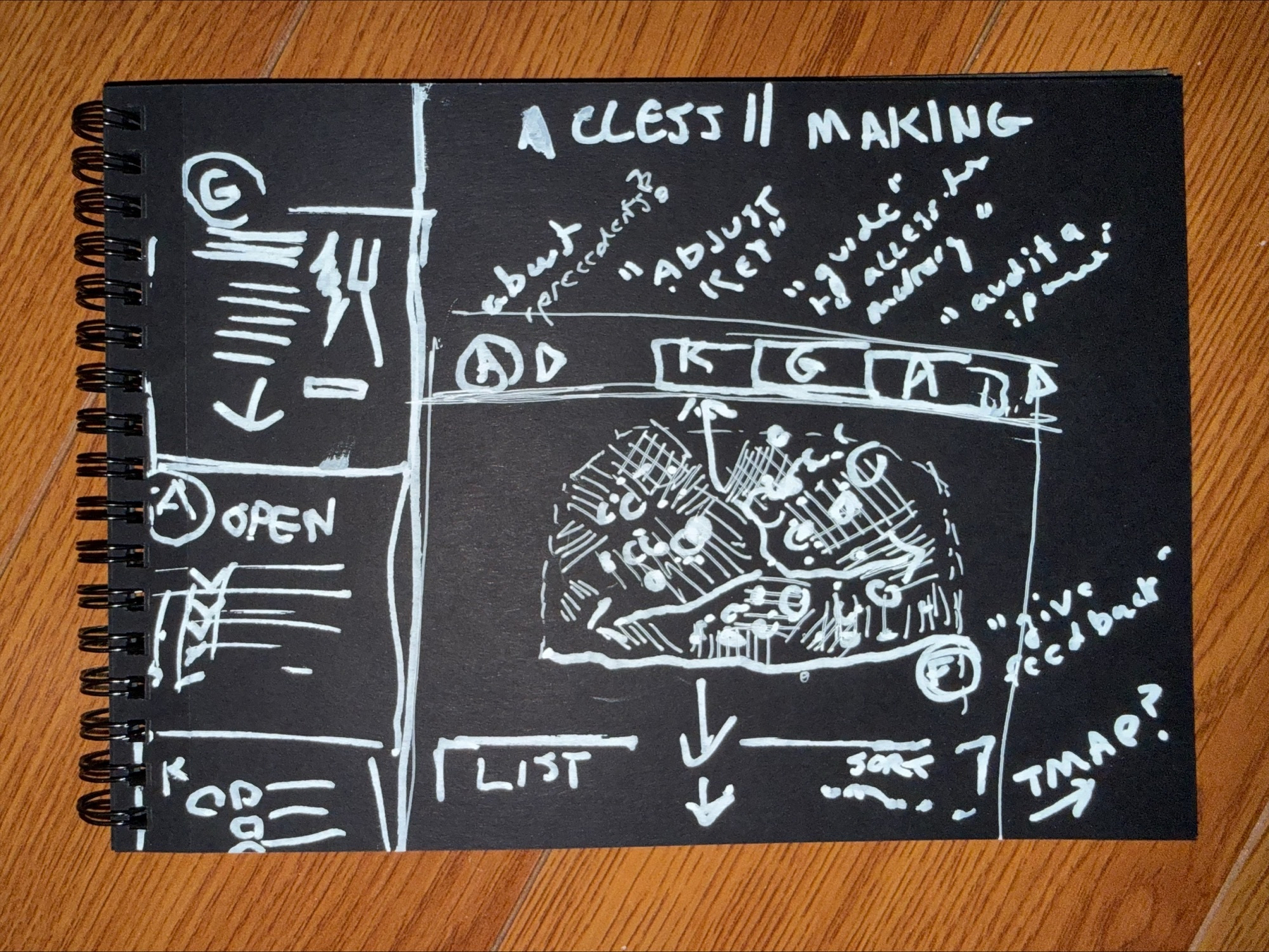
on the topic of sketching, I have been enjoying filling up this little black paper sketchbook. Here is a sketch for my Access//Making map of where making happens in Toronto and what forms of access are provided. The dataset currently includes about 500 points! Time to do some auditing soon :-)
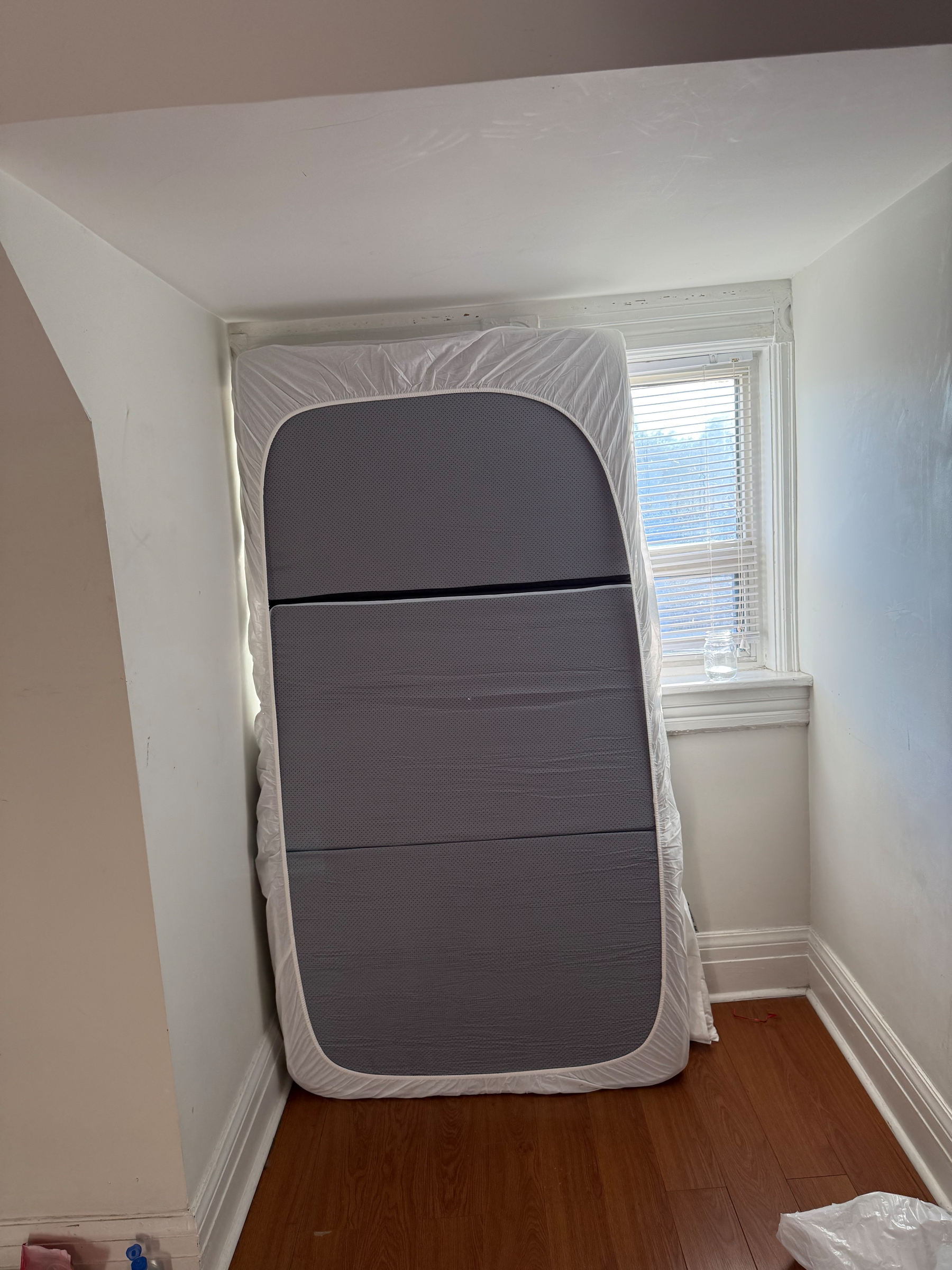
I don’t always bother complaining to Apple anymore, but having three voice reading features and none of them able to read a book got me to submit a complaint. Maybe at the end of the year I will review of complaints I sent. Pending title: “A Year of Complaining”?
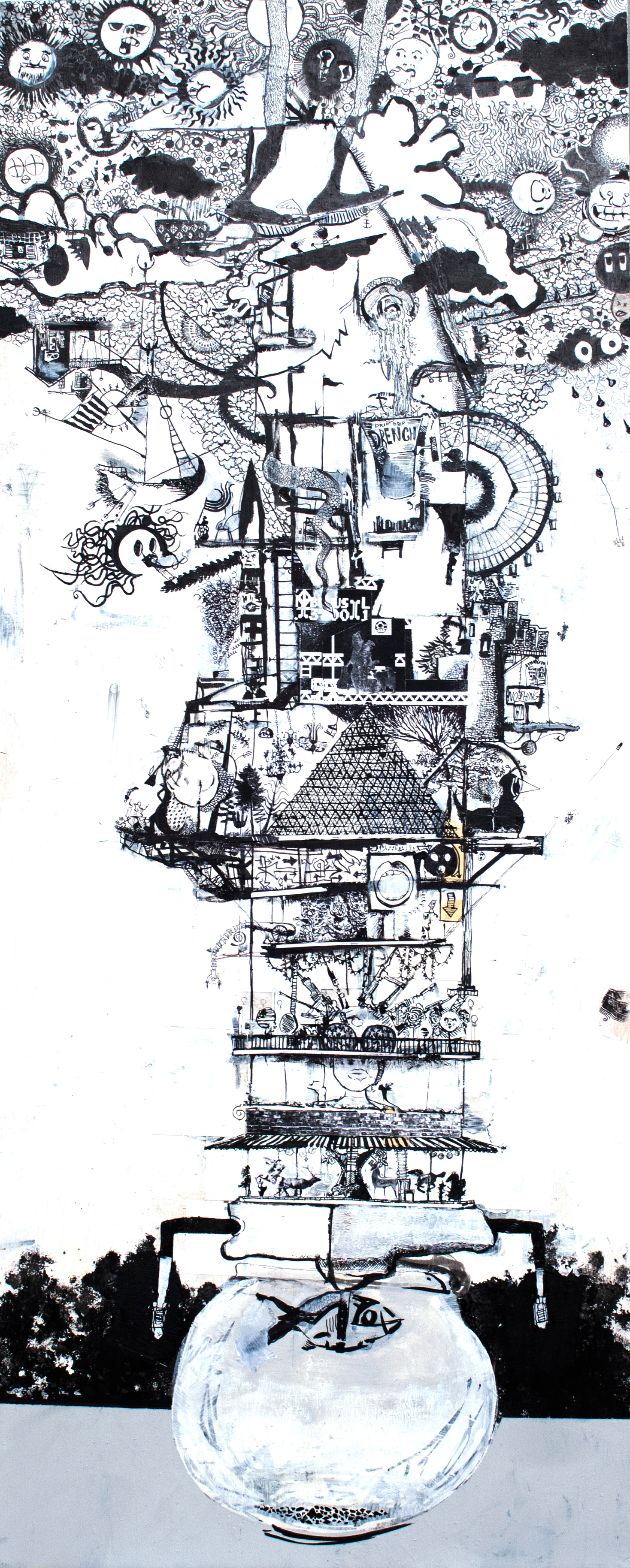
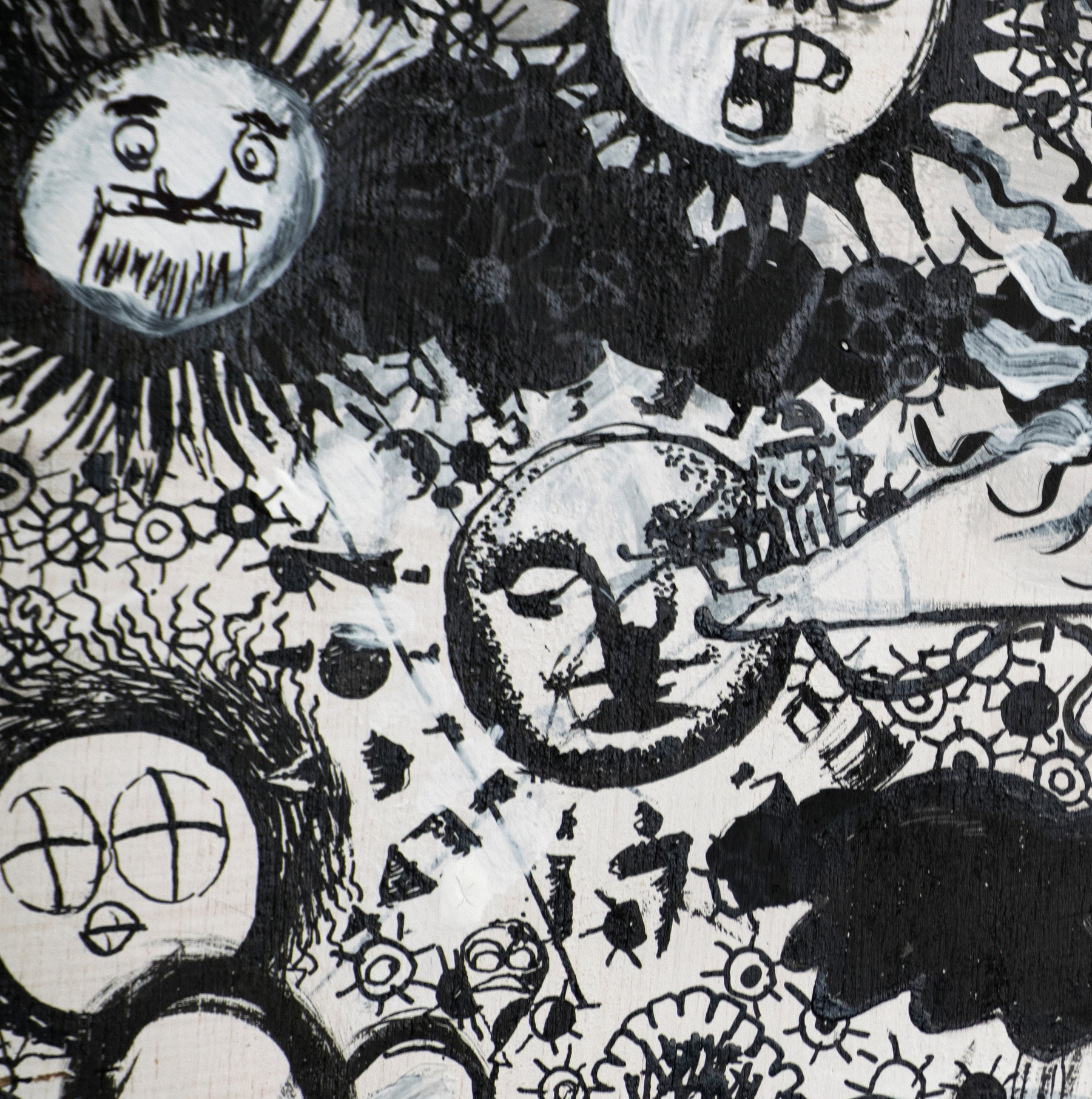
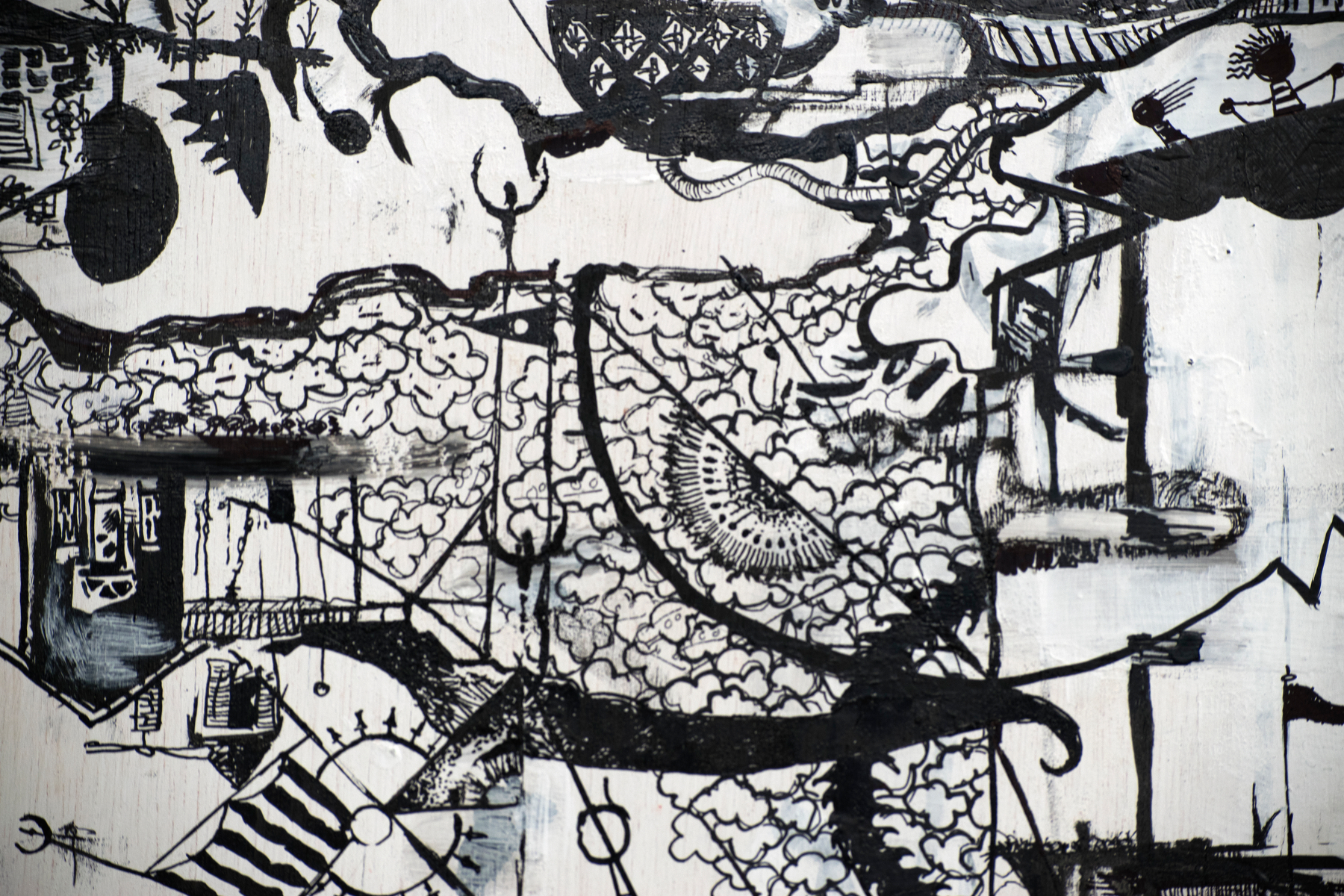
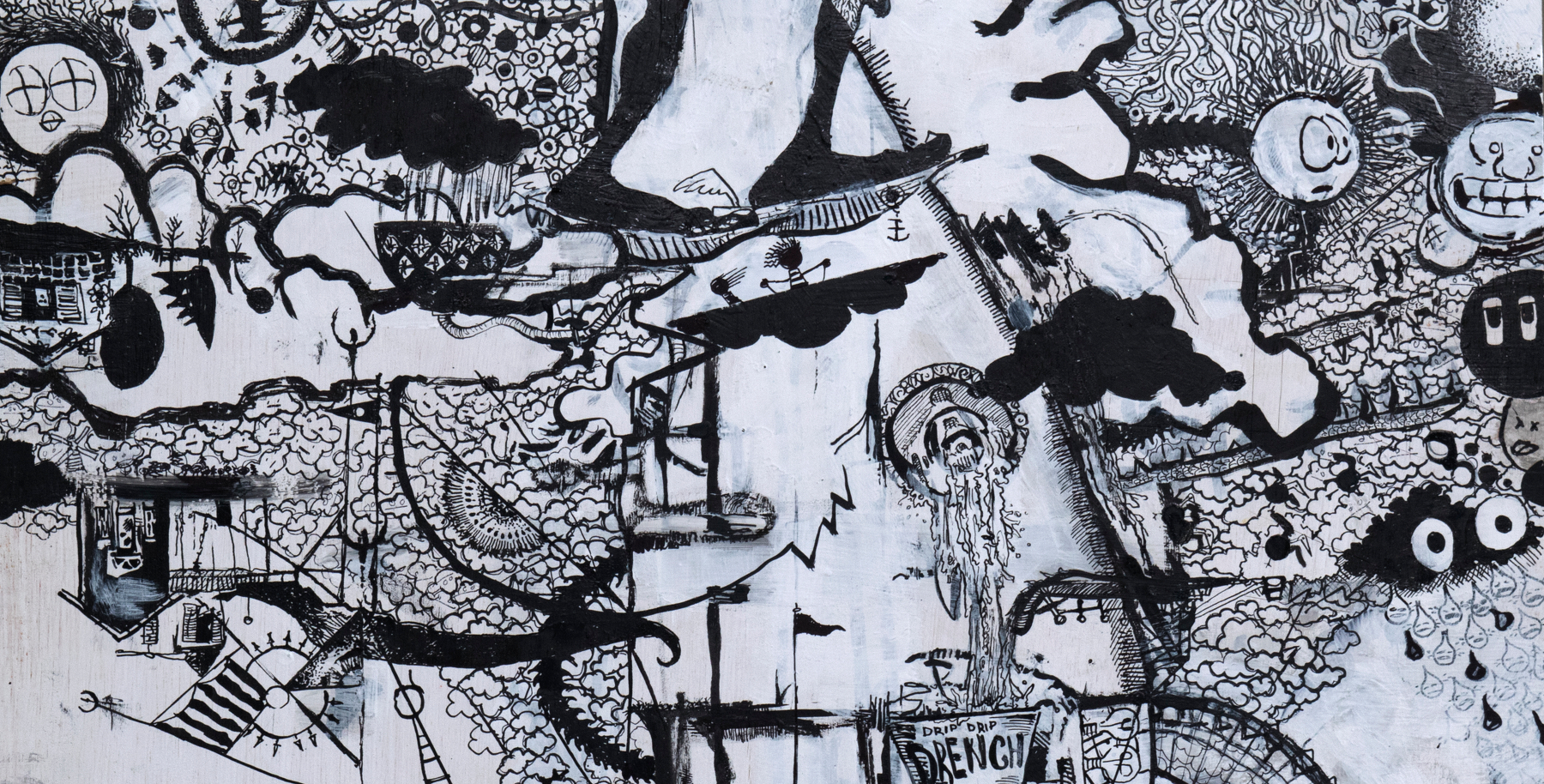
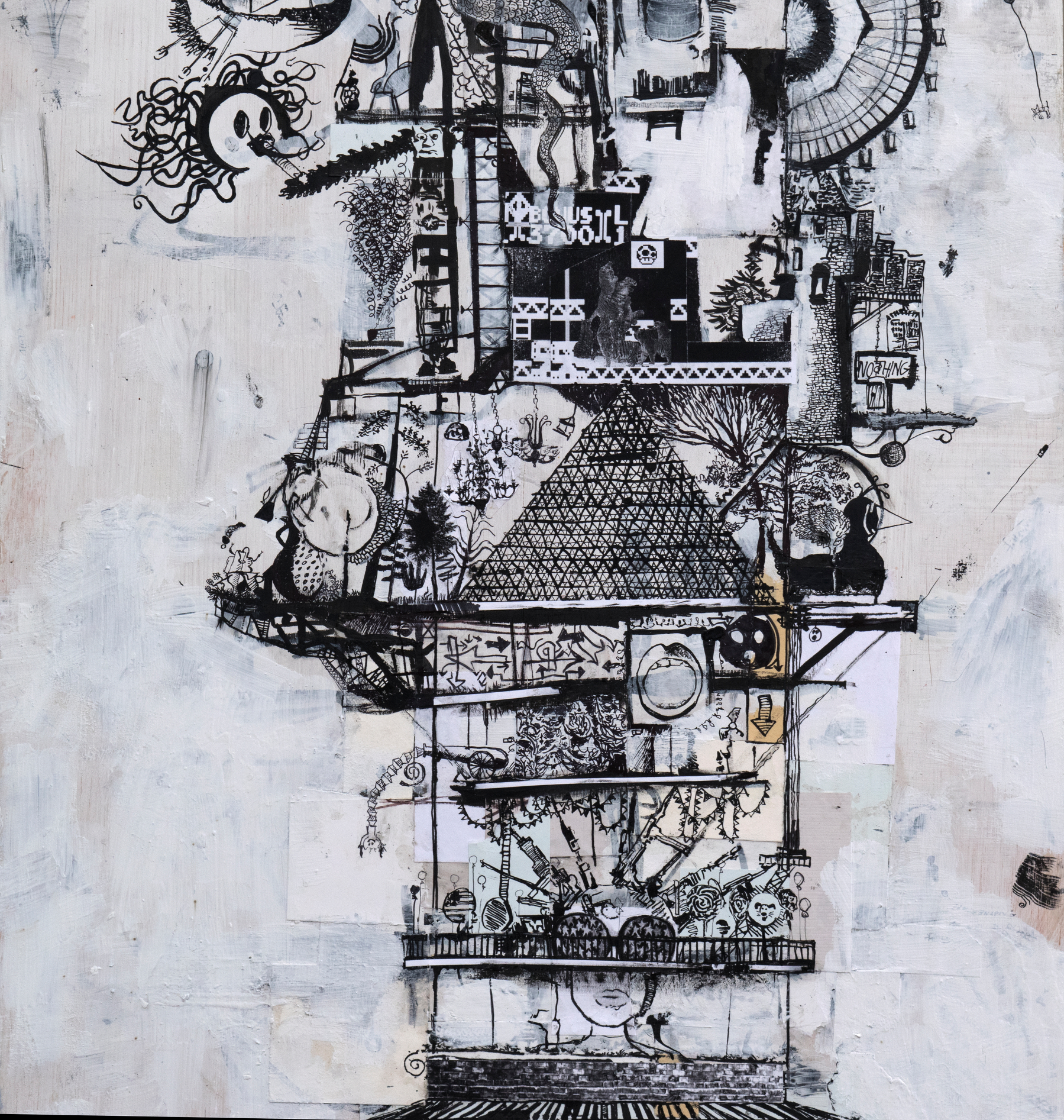
Old drawing from 2017. One observation is that I had a tendency to use lots of information and exploration as strategies for holding attention. Now I’m more likely to use meaning and ambiguity.
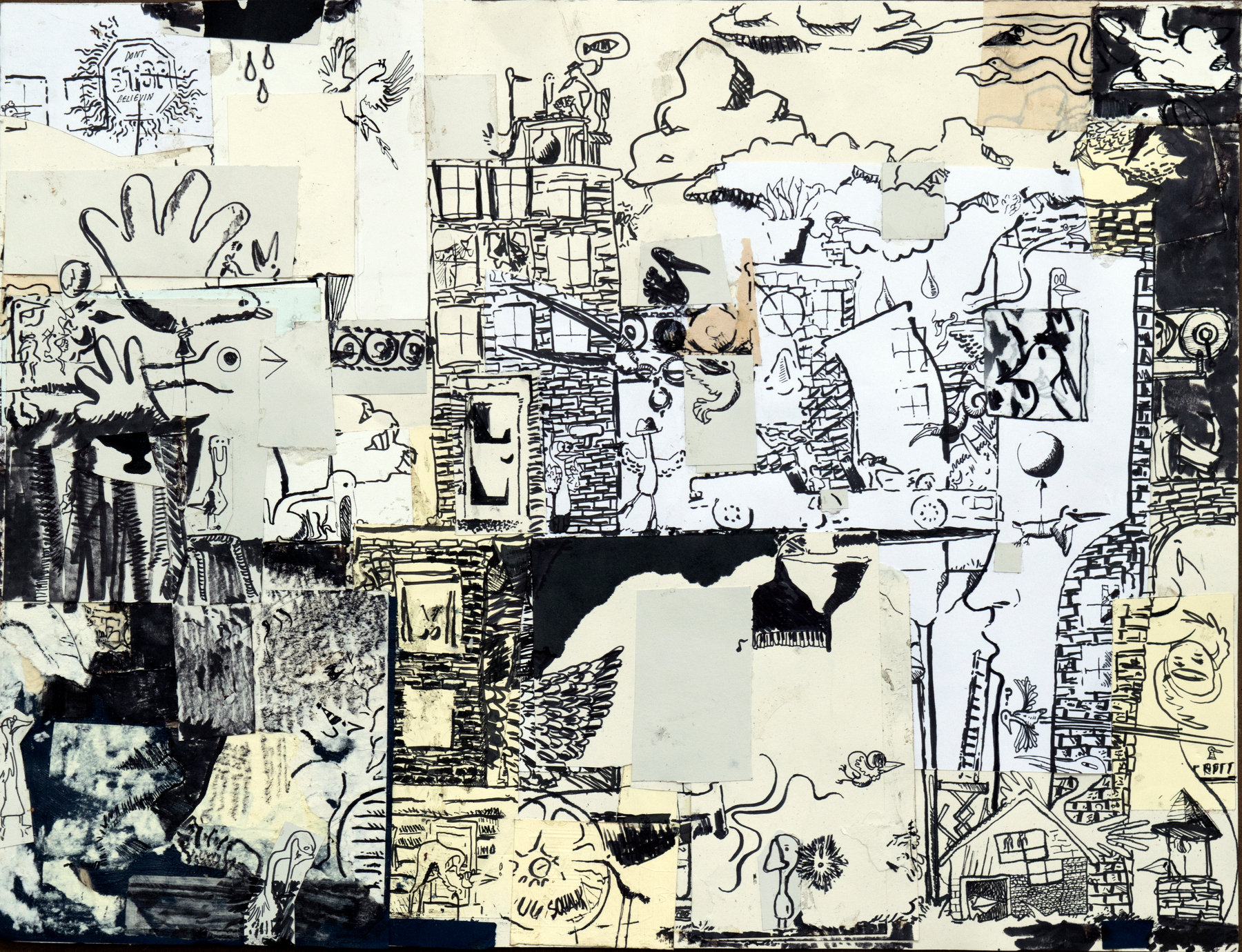
Audio journal from tonight.
Some annotation on Kenneth Frampton’s essay: Intimations and Tactility. I disagreed with a lot but there are moments it feels like the foundation of a blind architecture, not just a sensuous, tactile one (a trap too easy to fall into, I believe).
