
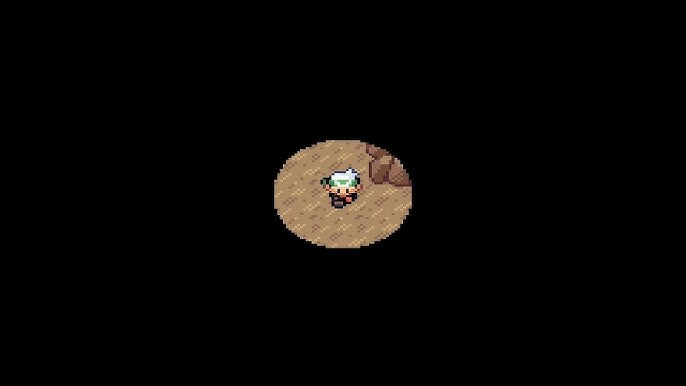
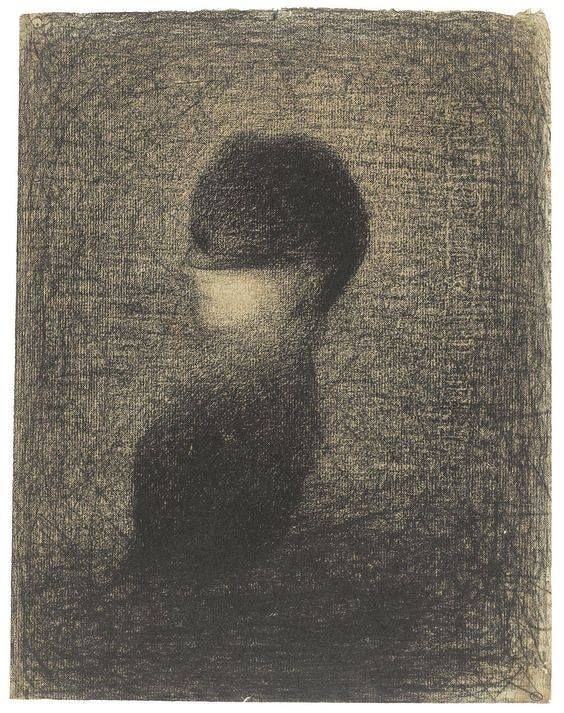
Day 2… starting to poke around with departures from the original here and there, and testing a blur effect
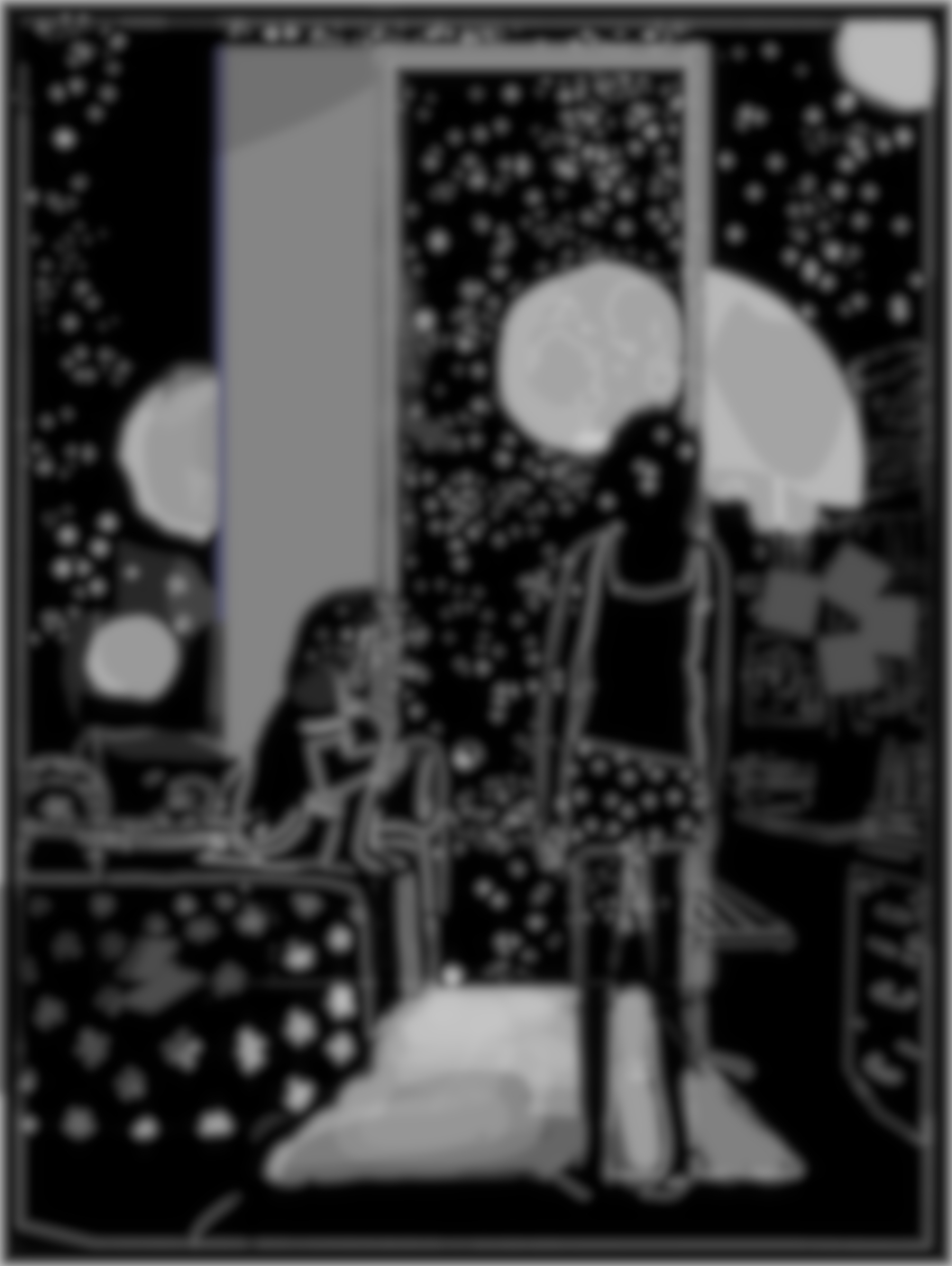
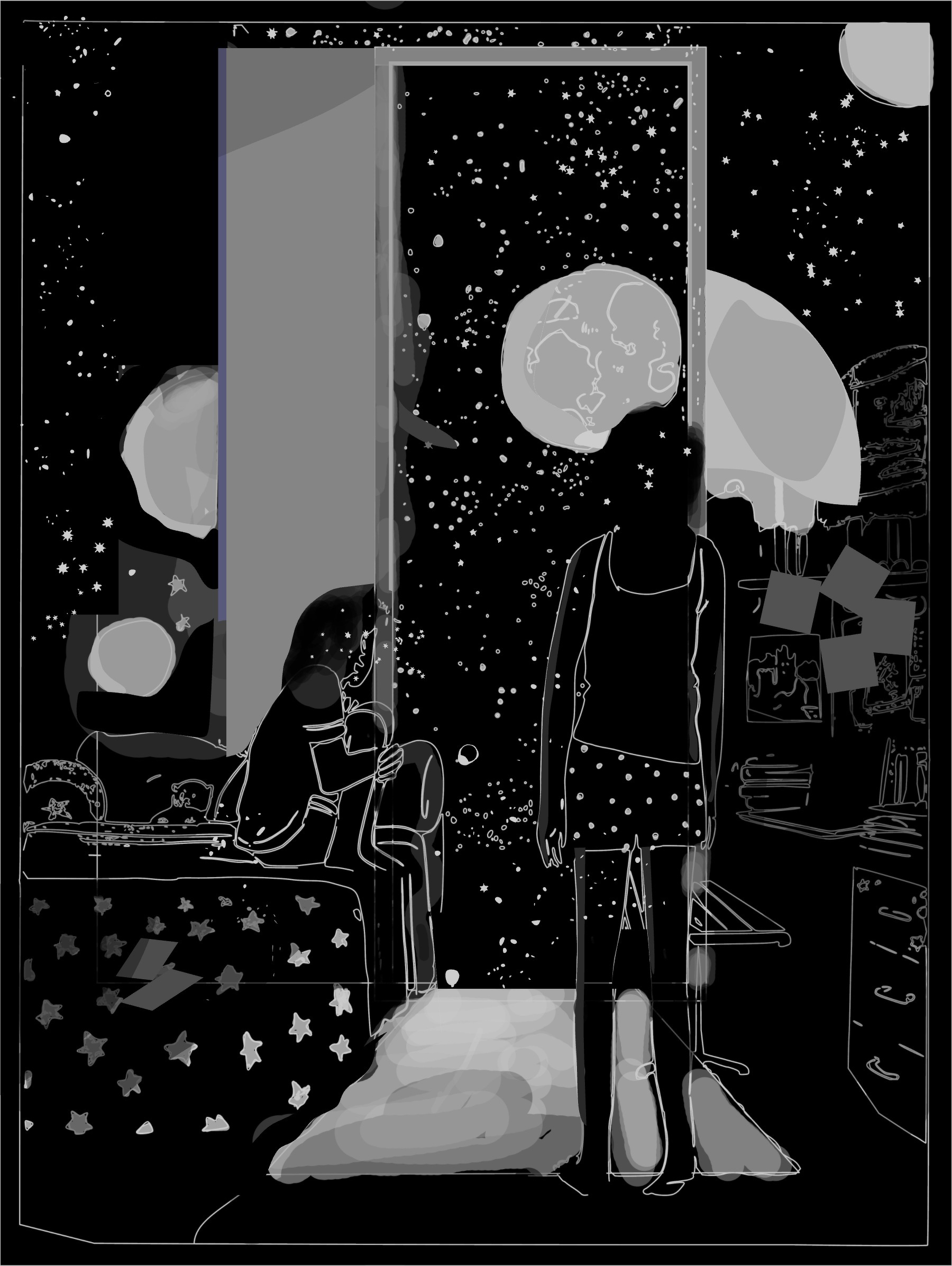
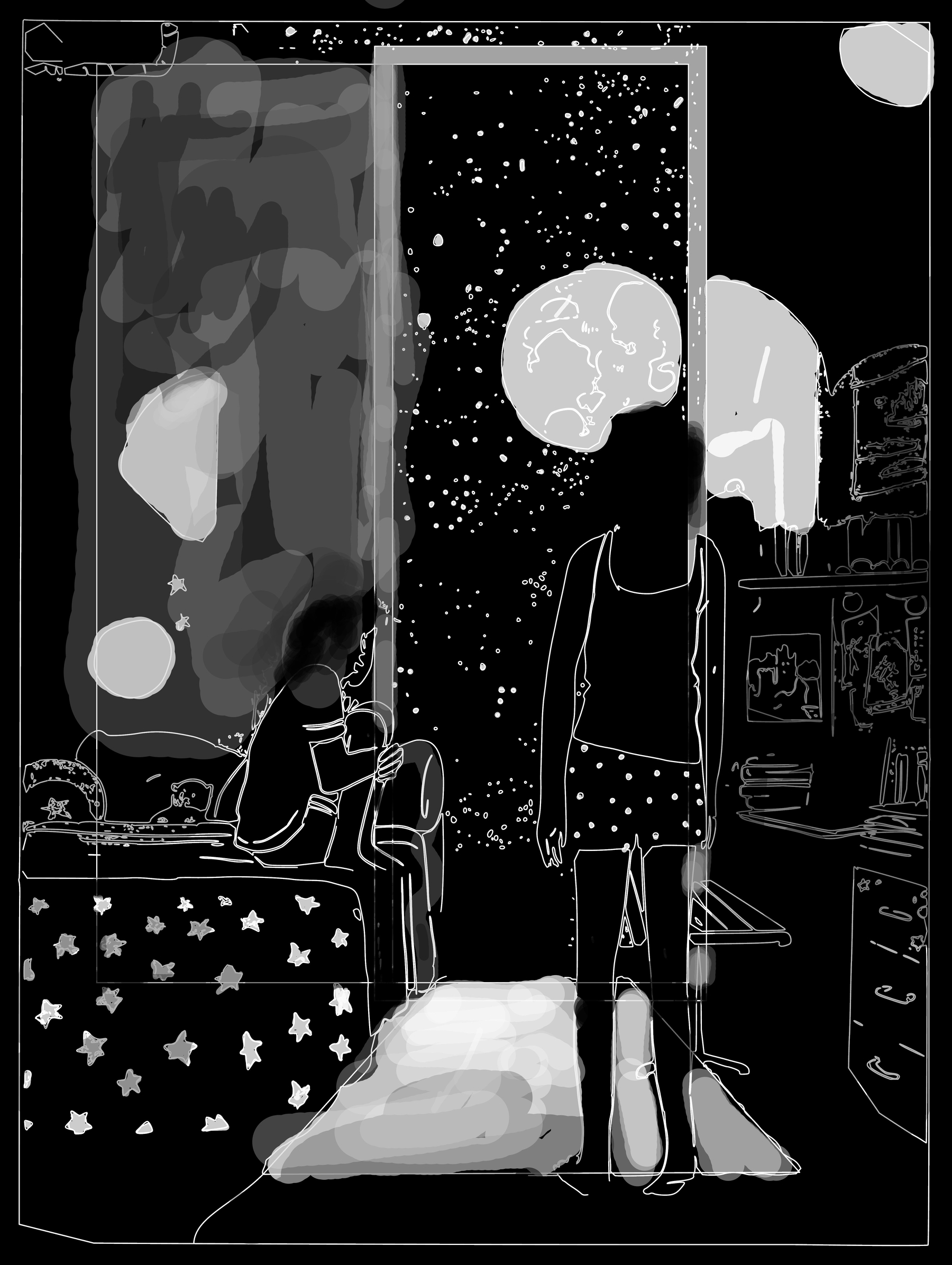
First great day in San Francisco hanging out at the Disability Cultural Center for wheelchair repair night hosted by Liz Henry + others. Lugging my 32" monitor here was a nightmare. Might be time soon to switch to an audio-only computer (to just rip the screen off my laptop? hj…)
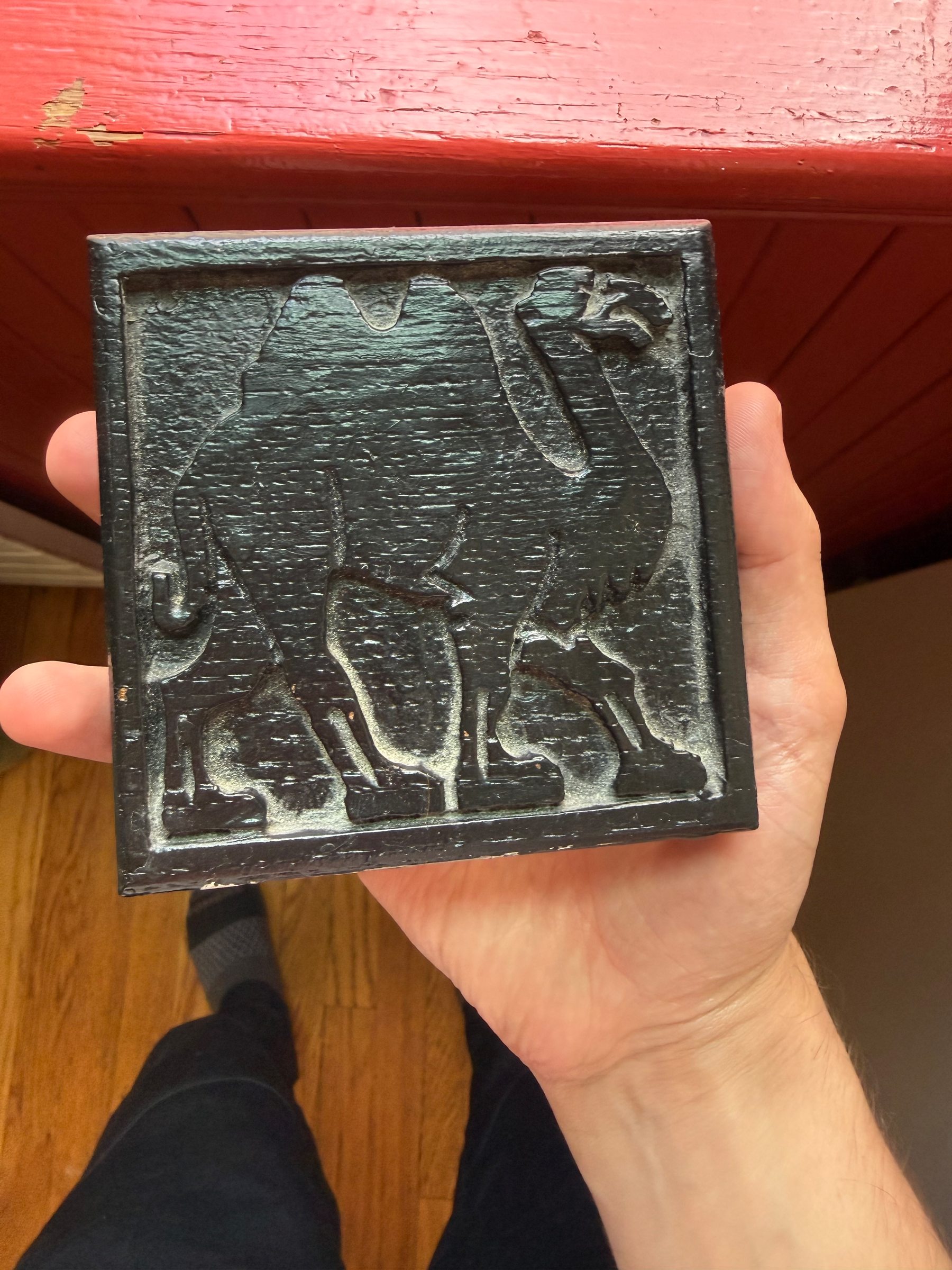
Was given this tactile camel panel from Perkins facilities, which blind students would use in the cottages to identify their rooms.
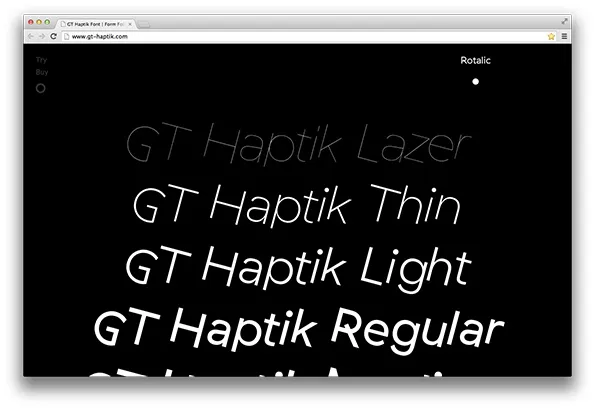
Pretty interesting Font Specimen from Grillitype, especially the italics: “GT Haptik is a monolinear geometric grotesque typeface. Its uppercase letters and numbers were optimized to be read blindfolded and by touching them.”
Wild experience in the Montreal airport recently: nonconsensual man-handling, nonconsensual help, all the rest… might write about it at some point here but it reminded me of Mona’s experience in the London underground. Wish i had caught it on camera like she did.
BDW Advocacy Update
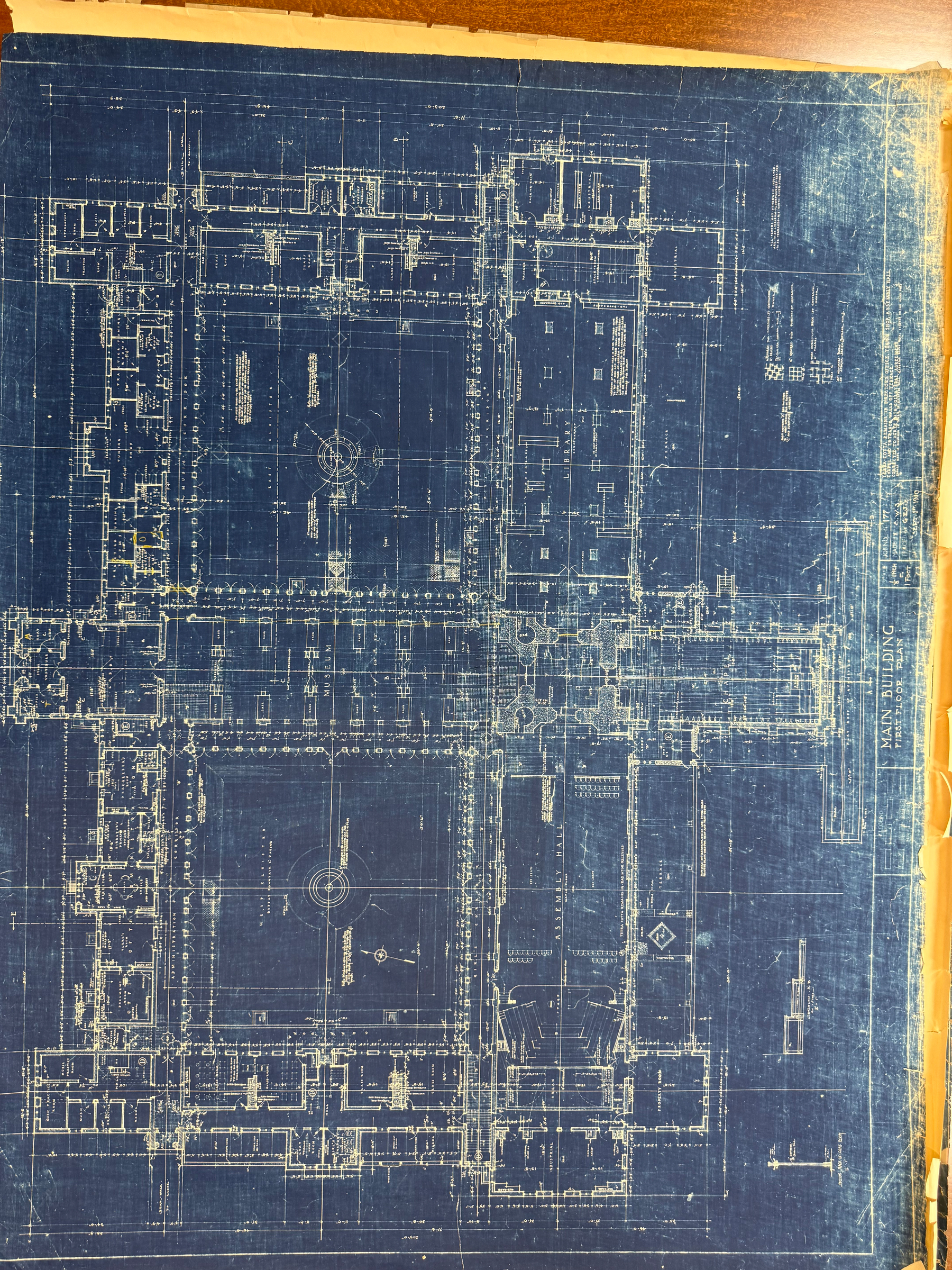
And a companion piece from Richard Tuttle: “Art is life, and so it must contain all of life.”
A short, but powerful quote from Design Meets Disability by Graham Pullin in the section ‘Solving Meets Exploring.’
“Design exploration may still require solving problems that arise along the way, but frequently as a means to an end rather than as an end in itself. This is a subtle yet fundamental inversion of engineering methodologies that will usually include a creative exploration of alternatives, though as a means to the end of solving the core problem.”
Blind stuff I’ve been into lately:
Pretty obsessed with this video of Stevie Wonder singing using a Talk Box (synthetic speech turned into art) On that note, also the imaginary exhibition described in Chapter 2 of Jonathan Sterne’s Diminshed Faculties I keep hearing about Carmen Papalia’s Weather Warlock Recently tested out the DotPad, and have been looking at Christopher Correll and Chancey Fleet’s blind digital fabrication curricula Post-impressionist departures from normal vision H.G. Wells Country of the Blind
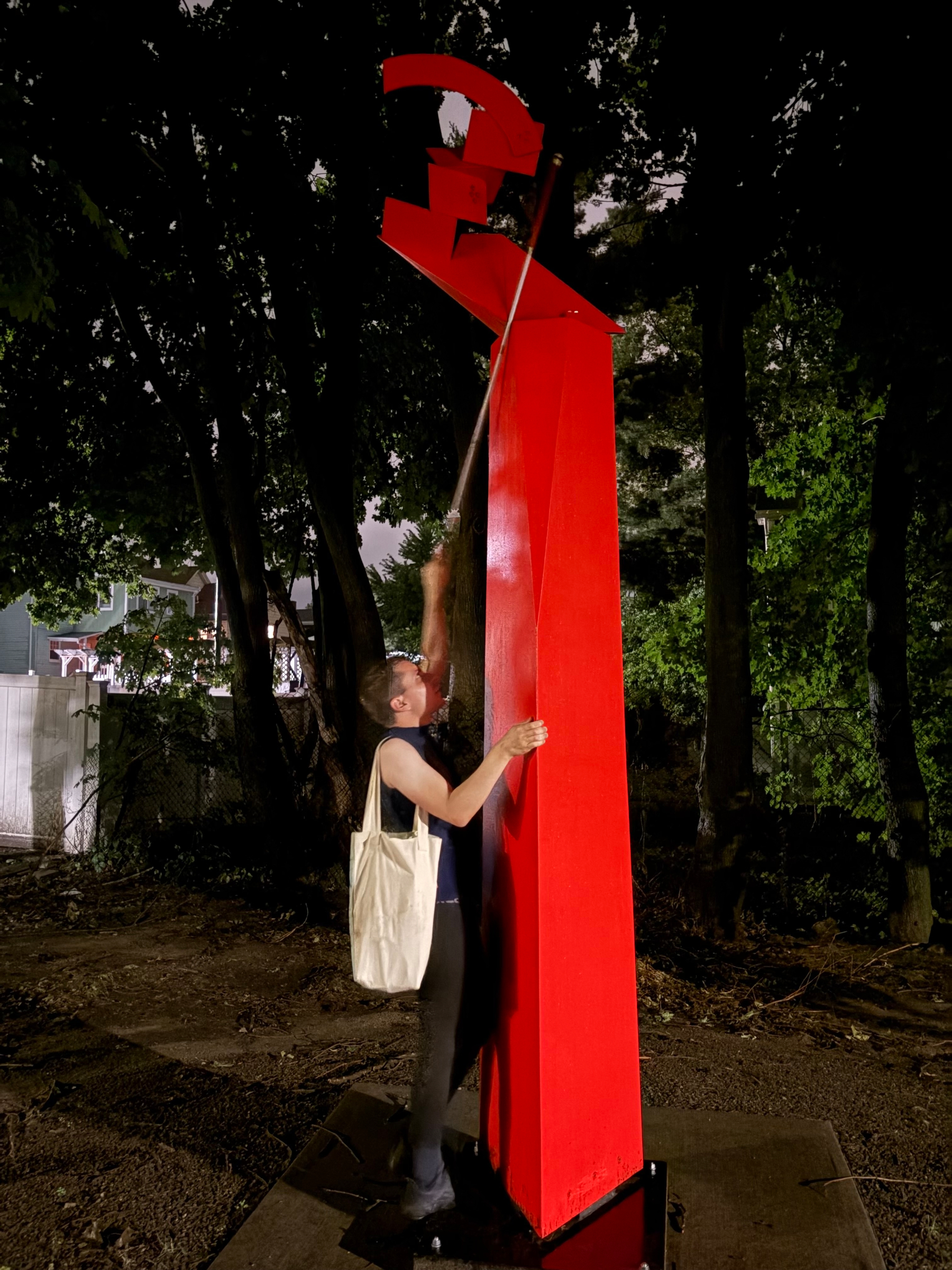
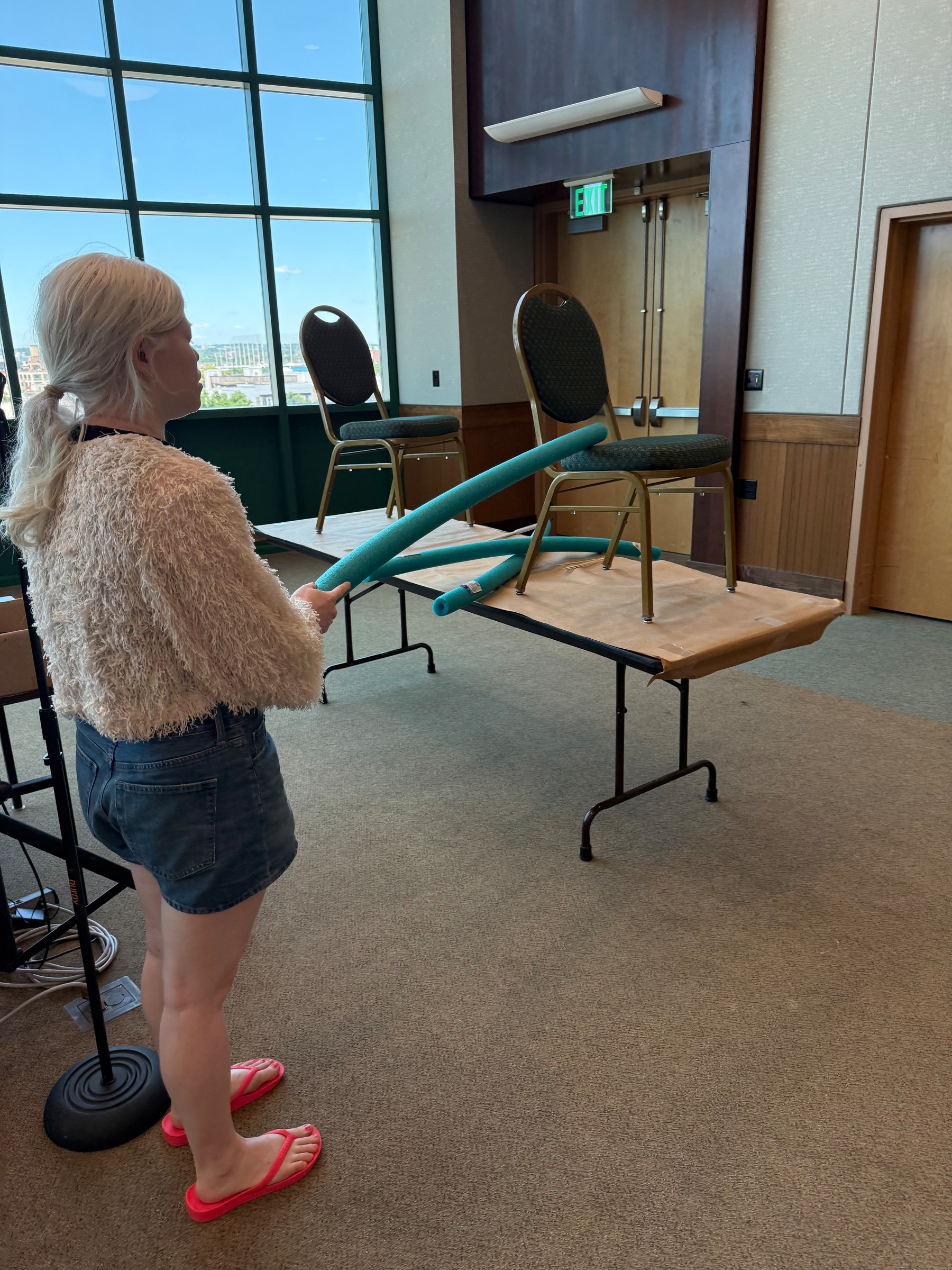
Me feeling the top of a sculpture with my cane. Hannah feeling a chair with a pool noodle in Baltimore (Chancey used the pool noodle as an analogy to the imprecise perception of atmospheric perspective, which I thought was quite brilliant.)
BDW released a Rhino-native version of BrailleGen (Braille Now’s Braille Generator) - keep on the lookout for screenreader tools for 3D modeling :-) (smile)
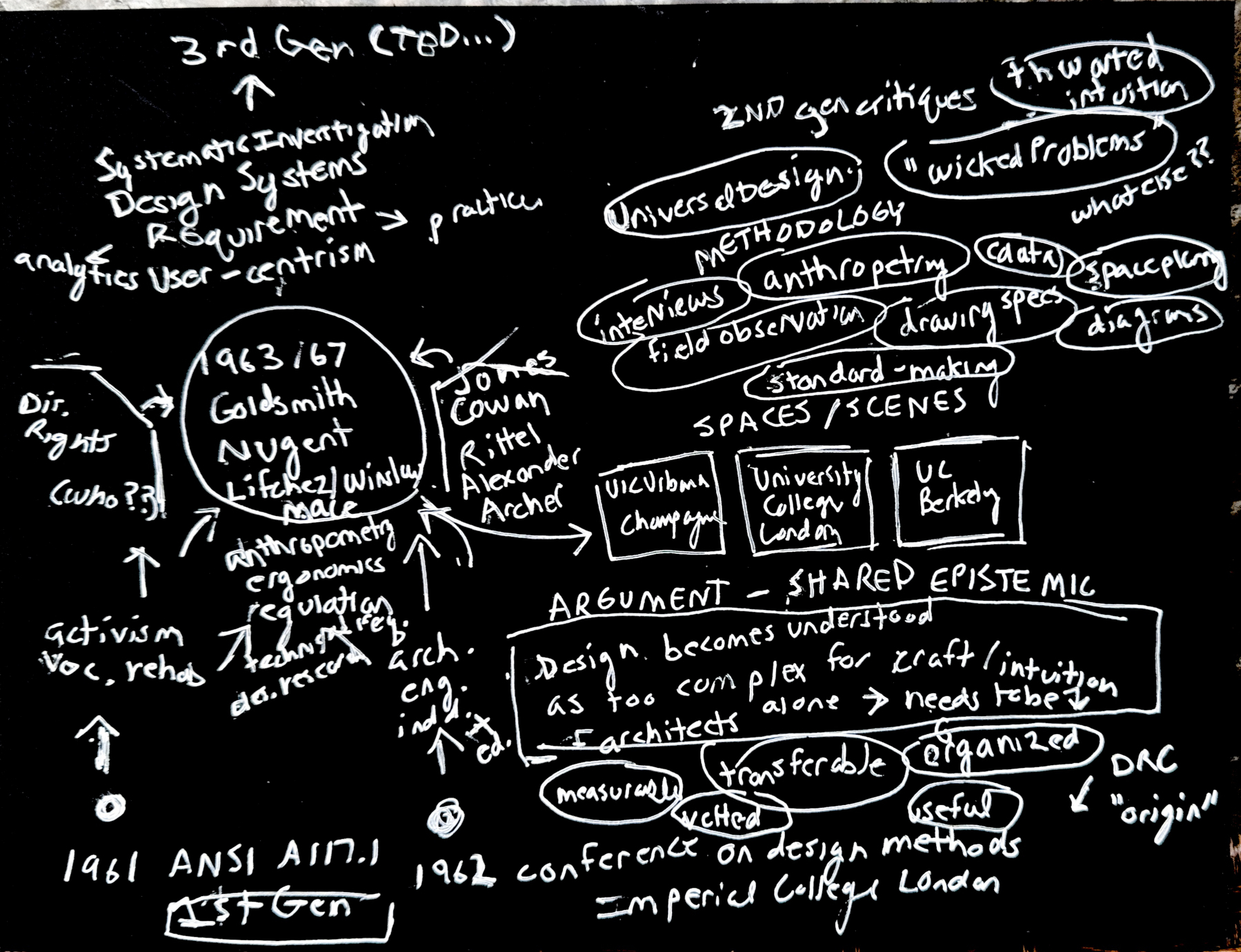
Research map: 1st generation accessible design and design methods movement interchange (and some 2nd generation critiques, interlocutors, revisions…)
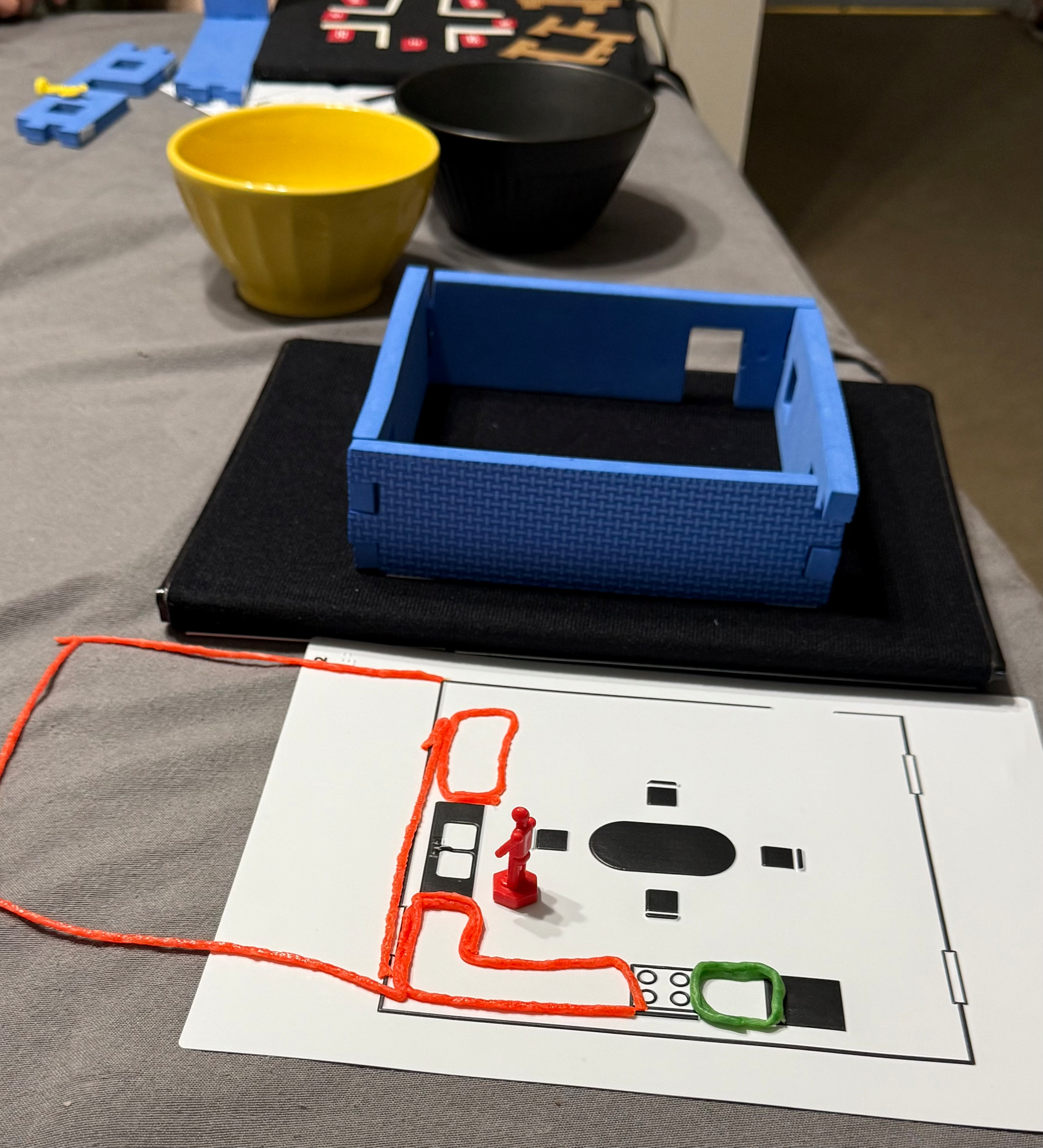
And a photo from today doing some structured discovery and tactile “literacy” [still not sure about that term] and design work between Caroline, Lavender, and I.
Lavender Darcangelo created this reaction audio to a talk I gave at NFBMA: great example of good plain language: mature tone, knows exactly where to pause and what to explain, and was created from her authentic experience of trying to better understand the talk. I learned a ton from it.
Reading Audre Lorde’s “Poetry is Not a Luxury” from my bed, pausing when my eyes get tired, or I need to stop and think.
Had our first Blind Design Workshop pilot with students at Perkins today! Had a lot of fun creating a collective audio description and feeling the hollow stones in the Keller/Sullivan Courtyard! Perhaps I’ll share this at some point!